Grid View
List View
Flow View
Offering Zero Data Retention for frontier models
OpenAI reaffirms Zero Data Retention for eligible API customers and previews Private Safety Processing for advanced AI safety without compromising data privacy.
 OpenAI News
about 2 months ago
OpenAI News
about 2 months ago
Igiene civica: evitare di costruire tecnologie che potrebbero essere utilizzate da uno stato di polizia
Immaginiamo, solo per un momento, che il governo volesse tenere un registro dell'orientamento sessuale di ogni persona. Hanno bisogno di conoscere questi dati demografici dettagliati perché saranno estremamente utili per la pianificazione urbana. Li aiuteranno a capire quali servizi di salute sessuale sono necessari, quanti bambini nasceranno, quante scuole costruire, e così via.
Ti fidi del governo, lo hai votato, tu e i tuoi amici non avete nulla da nascondere riguardo alla vostra sessualità.
Ma! Che orrore! Dopo aver creato il database, il governo perde le elezioni e gli omofobi dell'UKIP salgono al potere!
Ora hanno un database di tutti gli omosessuali del villaggio e possono molestarli, cercare di "curarli" o rendere le loro vite un inferno.
Assurdo? Non proprio.
https://shkspr.mobi/blog/2013/11/civic-hygiene/
 Informa Pirata: informazione e notizie – Telegram
about 2 months ago
Informa Pirata: informazione e notizie – Telegram
about 2 months ago
Uno studio condotto su 7.700 dipendenti ha rilevato che i lavoratori da remoto godono del livello di benessere più elevato
Per anni, molti datori di lavoro si sono preoccupati del fatto che il lavoro da casa isolasse i dipendenti, li allontanasse dai colleghi e li rendesse più propensi ad abbandonare il lavoro.
Ma secondo un nuovo studio, i lavoratori da remoto se la cavano meglio di quanto molti datori di lavoro si rendano conto.
https://www.colorado.edu/today/2026/08/12/remote-workers-report-highest-well-being-study-7700-employees
Informa Pirata: informazione e notizie – Telegram
about 2 months ago
Handala: lo spionaggio iraniano del MOIS che si finge amico dei giornalisti su WhatsApp
Il Dipartimento di Giustizia USA conferma: dietro il collettivo hacktivista Handala opera il Ministero dell'Intelligence iraniano. Shin Bet lancia l'allarme su una campagna di phishing mirata ai giornalisti israeliani su WhatsApp
https://insicurezzadigitale.com/handala-lo-spionaggio-iraniano-del-mois-che-si-finge-amico-dei-giornalisti-su-whatsapp/
Informa Pirata: informazione e notizie – Telegram
about 2 months ago
Google ha acquisito alcuni dati della compagnia aerea statunitense #Spirit, già fallita, solo scopo di addestrare l'intelligenza artificiale.
L'assett principale sono i dati anonimizzati, per i quali Google ha fatto un'offerta da 10 milioni di dollari.
Per quella somma, Google si è assicurata 100 milioni di email e 500 milioni di elementi da Microsoft Teams, 17 milioni di file da OneDrive e 20,5 milioni di elementi da SharePoint.
https://www.theregister.com/ai-and-ml/2026/08/18/google-buys-crashed-airline-spirits-data-at-auction-because-ai/5288962
Informa Pirata: informazione e notizie – Telegram
about 2 months ago
Le debolezze dell'amministrazione digitale: i dati di 1,2 milioni di persone sono stati violati in un recente attacco informatico al CSDD
Il 18 agosto, la Direzione per la Sicurezza Stradale (CSDD) ha segnalato che i dati personali di 1,2 milioni di persone sono stati sottratti a seguito di un attacco informatico. La popolazione totale della Lettonia è di poco superiore a 1,8 milioni di abitanti, quindi, in proporzione alla popolazione, la violazione è enorme.
https://eng.lsm.lv/article/society/crime/18.08.2026-data-of-12-million-people-breached-in-recent-csdd-cyberattack.a659333/
Informa Pirata: informazione e notizie – Telegram
about 2 months ago

Fairy Tail: 100 Years Quest Chapter 218 Manga Review (Gang’s Here! #FairyTail)
<p>Fairy Tail: 100 Years Quest Chapter 218 Manga Review フェアリーテイル 100年クエスト SPOILER Summary/Synopsis: As Elefseria fights a desperate battle against hoards of small dragons, all of the rest of Fairy Tail, lead by Elfman, show up to help. He wants the entire guild to complete the Hundred Years Quest. Cana tells him that they are […]</p>
<p>The post <a href="https://anime.astronerdboy.com/2026/08/fairy-tail-100-years-quest-chapter-218-manga-review.html">Fairy Tail: 100 Years Quest Chapter 218 Manga Review (Gang’s Here! #FairyTail)</a> appeared first on <a href="https://anime.astronerdboy.com">AstroNerdBoy's Anime and Manga Blog</a>.</p>
 AstroNerdBoy's Anime and Manga Blog
about 2 months ago
AstroNerdBoy's Anime and Manga Blog
about 2 months ago

Farfetch’d
Bulbapedia description: Farfetch’d is an avian Pokémon that resembles a light brown duck with a white underbelly. It has a flat, yellow beak, brown eyes (with white sclerae), a V-shaped black marking on its forehead (similar to a unibrow), and a three-feather crest on top of its head. Its wings are as big as its […]
 PokéMum
about 2 months ago
PokéMum
about 2 months ago
L'intelligenza artificiale può coesistere con la privacy? Andy Yen di Proton afferma che dovrà farlo
L'amministratore delegato di Proton è un sostenitore della crittografia per tutti. Allora perché sta puntando tutto sull'intelligenza artificiale non crittografabile?
https://www.wired.com/story/the-big-interview-podcast-andy-yen-proton/
Informa Pirata: informazione e notizie – Telegram
about 2 months ago
La rete di “scienza razziale” legata a Peter Thiel che si è infiltrata nell’Università di Cambridge e ha preso di mira Jason Arday.
La copertura mediatica della vita dell’accademico è stata alimentata dalla campagna di una consolidata rete di estrema destra.
Jason Arday, un accademico di 41 anni che si era dimesso dalla carica di professore di Sociologia dell’Educazione a Cambridge, è stato trovato morto venerdì dopo un intenso esame di molti aspetti delle sue qualifiche e della sua vita privata da parte della maggior parte della stampa tradizionale.
Il suo attacco coordinato da parte di una rete di “scienza razziale” esplicitamente anti-nera non è nato dal nulla, come rivela Byline Times .
Sostenuta dal miliardario della Silicon Valley Peter Thiel, sostenitore di Trump, questa rete ha impiegato un decennio per infiltrarsi nell’Università di Cambridge prima di raggiungere Reform UK, Restore Britain e l’estrema destra paneuropea.
Questa fase della campagna contro Jason Arday è iniziata quando, il mese scorso, l’accademico e razzista anti-nero Nathan Cofnas ha sollevato accuse di plagio nei lavori di Arday in un post su Substack.
https://bylinetimes.com/2026/08/18/the-peter-thiel-linked-race-science-network-that-penetrated-cambridge-university-and-targeted-jason-arday/
Informa Pirata: informazione e notizie – Telegram
about 2 months ago
Uno studio rivela che l'algoritmo di X si alimenta della rabbia altrui e ha un impatto maggiore sui democratici.
In sostanza X sta stimolando il coinvolgimento spingendo gli utenti a litigare nelle risposte, come in quei film horror in cui uno spirito malvagio cerca di trattenere gli ospiti del luogo maledetto facendoli odiare l'un l'altro
https://www.404media.co/xs-algorithm-feeds-off-ragebait-and-impacts-democrats-more-study-finds/
Informa Pirata: informazione e notizie – Telegram
about 2 months ago
Argentina: la diffusione incontrollata della sorveglianza basata sull'intelligenza artificiale rafforza un'infrastruttura tecno-autoritaria di controllo sociale.
L'uso sempre più diffuso delle tecnologie di sorveglianza in Argentina durante i primi due anni dell'amministrazione di Javier Milei ha contribuito ad ampliare le capacità di sorveglianza statale, la profilazione e le rappresaglie nel Paese, creando un effetto dissuasivo sui diritti alla privacy e alla libertà di espressione, di riunione pacifica e di associazione, ha affermato Amnesty International in un nuovo rapporto pubblicato oggi.
https://www.amnesty.org/en/latest/news/2026/08/argentina-unchecked-deployment-of-ai-driven-surveillance-reinforces-a-techno-authoritarian-infrastructure-of-social-control/
Informa Pirata: informazione e notizie – Telegram
about 2 months ago
Replit expands access to software creation with GPT-5.6 Luna
Replit introduces Free Mode, powered by GPT-5.6 Luna, so anyone can turn ideas into working software without worrying about token costs.
OpenAI News
about 2 months ago

Buongiornoooo ☕
 Le Faccine Di Francy E Trilly
about 2 months ago
Le Faccine Di Francy E Trilly
about 2 months ago
Numeri sublimi
Il nome è probabilmente ben scelto, vista la loro rarità...
 Notiziole di .mau.
about 2 months ago
Notiziole di .mau.
about 2 months ago
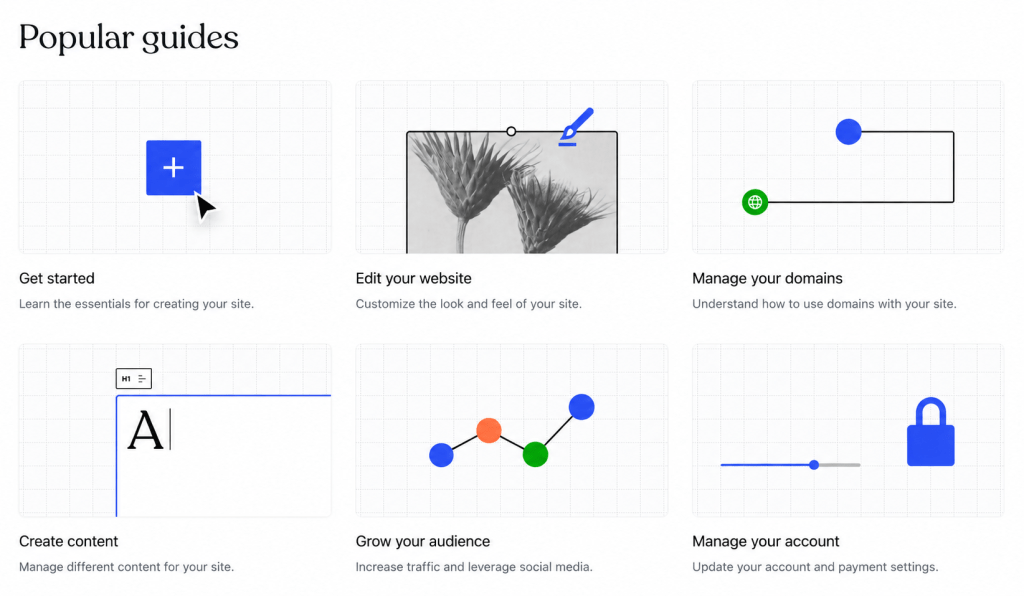
When WordPress.com Support Knows It’s Time for a Human
WordPress.com’s Support Assistant helps thousands of customers every day, from resetting forgotten passwords to connecting a domain name and explaining settings. It resolves most questions on its own, but we built it to get you the right help, fast. And sometimes the right help is a person. Talking to our …
 WordPress.com Blog
about 2 months ago
WordPress.com Blog
about 2 months ago
ChatGPT Ads expands across Europe
ChatGPT Ads is expanding to 31 European markets. Learn how advertisers can reach people as they explore, compare options, and make decisions.
OpenAI News
about 2 months ago

Fairy Tail RE:FANTASIA Chapter 03 Manga Review (Battle Time! #FairyTail)
<p>Fairy Tail RE:FANTASIA Chapter 03 Manga Review Review SPOILER Summary/Synopsis: Kal Eraser reveals to Jellal that he’d been on the Magic Council but left before “Siegrain” started causing problems. Eraser then states is goal of erasing unnecessary things. He sits the town and wizard guild Fairy Tail as unnecessary things. Eraser summons large, black, humanoid […]</p>
<p>The post <a href="https://anime.astronerdboy.com/2026/08/fairy-tail-refantasia-chapter-03-manga-review.html">Fairy Tail RE:FANTASIA Chapter 03 Manga Review (Battle Time! #FairyTail)</a> appeared first on <a href="https://anime.astronerdboy.com">AstroNerdBoy's Anime and Manga Blog</a>.</p>
AstroNerdBoy's Anime and Manga Blog
about 2 months ago
Strengthening democratic oversight in national security
OpenAI launches an initiative to strengthen democratic oversight of AI in national security, supporting government institutions with tools, training, and expertise.
OpenAI News
about 2 months ago

Buonanotte 🌟🌟🌟
Le Faccine Di Francy E Trilly
about 2 months ago
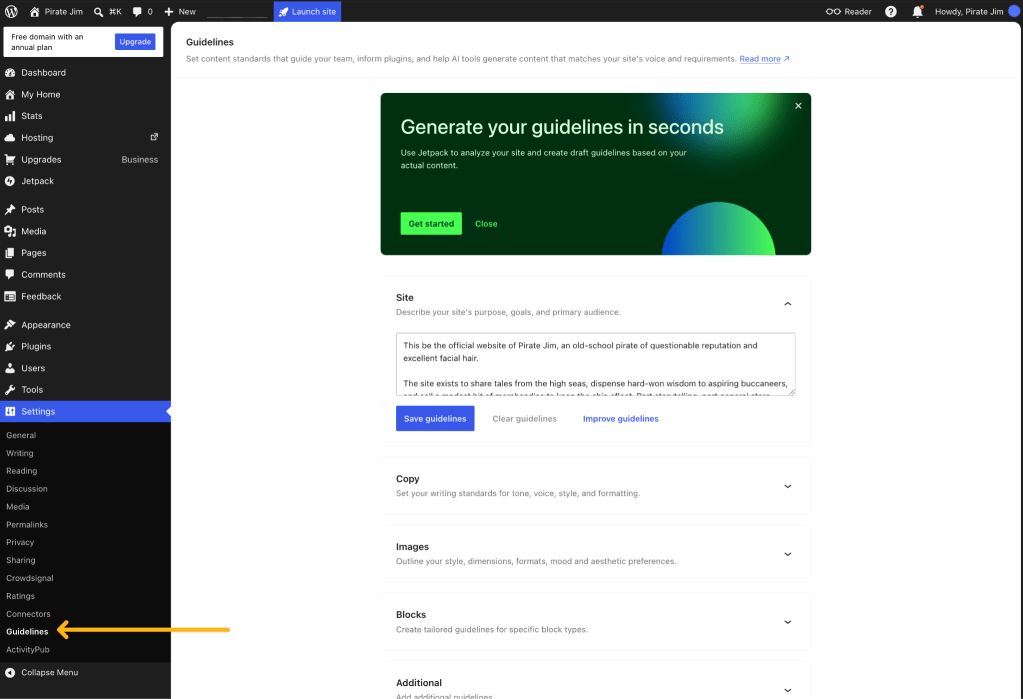
Give Your WordPress.com Site a Memory with Guidelines
Set your brand voice, visual style, and goals once with WordPress.com Guidelines, so WordPress Agent can work from the same context wherever you are.
WordPress.com Blog
about 2 months ago
Perché i Pirati vogliono una riforma del diritto d'autore
Dal dibattito sulle cassette al digitale: quando i lucchetti tecnologici e i filtri di rete scavalcano i diritti d'uso e la libertà degli utenti diventa obbligatorio reagire
https://pirati.io/2026/08/perche-i-pirati-vogliono-una-riforma-del-diritto-dautore/
Informa Pirata: informazione e notizie – Telegram
about 2 months ago

Dear Duolingo: Can you learn a language in six months?
Are there shortcuts for learning a language? How long does it really take?
 Duolingo Blog
about 2 months ago
Duolingo Blog
about 2 months ago
Pacing model development in an era of cyber-critical capabilities
OpenAI is strengthening monitoring, alignment, and security for frontier AI models. See how new safeguards are guiding the pace of model development.
OpenAI News
about 2 months ago
Introducing ChatGPT for Teens: Built for learning, backed by protections
ChatGPT for Teens helps teens learn, think critically, and use AI with confidence, with stronger built-in protections, healthy-use features, and additional controls for parents.
OpenAI News
about 2 months ago
Partnering with CodeAI to prepare the first AI generation
OpenAI and CodeAI are partnering to help students build AI literacy, think critically about AI, and develop the skills to use and shape it responsibly.
OpenAI News
about 2 months ago
Eccoci qui! Spirit Airlines muore e Google banchetta coi sui dati (anche di Teams) per l'IA!
Spirit Airlines è in liquidazione dal maggio 2026 e Google ha approfittato della situazione aggiudicandosi, in un’asta fallimentare, un enorme archivio di dati interni per dieci milioni di dollari.
Il pacchetto comprende circa 100 milioni di e-mail aziendali, 500 milioni di chat di Microsoft Teams, oltre a materiale di marketing, documenti delle risorse umane (🥶), relazioni di revisione contabile, presentazioni e database finanziari.
Google intende impiegare questi dati per addestrare e migliorare i propri modelli di intelligenza artificiale. Dall’accordo sembrano esclusi i profili dei passeggeri e i dati relativi ai viaggiatori frequenti.
Ma tranquilli! Prima della consegna, una azienda terza rimuoverà tutte le informazioni personali e Google ha garantito che non tenterà di re-identificare gli utenti.
L’accordo attende ora l’approvazione definitiva del giudice...
https://www.reuters.com/legal/litigation/google-buy-spirit-airlines-business-data-10-million-2026-08-17/
Informa Pirata: informazione e notizie – Telegram
about 2 months ago

Buongiornoooo ☔
Le Faccine Di Francy E Trilly
about 2 months ago
Asana completed a years-long code migration in 2 weeks with Codex
Asana used OpenAI Codex to replace an outdated testing system in two weeks, with about $12K in model and infrastructure costs.
OpenAI News
about 2 months ago

Disco Elysium è tutto quello che non funziona nei videogiochi
Riflessioni sparse sui danni della critica degli entusiasti
 La Voce della Ribellione™
about 2 months ago
La Voce della Ribellione™
about 2 months ago
Offering Zero Data Retention for frontier models
OpenAI reaffirms Zero Data Retention for eligible API customers and previews Private Safety Processing for advanced AI safety without compromising data privacy.
OpenAI News
about 2 months ago
Igiene civica: evitare di costruire tecnologie che potrebbero essere utilizzate da uno stato di polizia
Immaginiamo, solo per un momento, che il governo volesse tenere un registro dell'orientamento sessuale di ogni persona. Hanno bisogno di conoscere questi dati demografici dettagliati perché saranno estremamente utili per la pianificazione urbana. Li aiuteranno a capire quali servizi di salute sessuale sono necessari, quanti bambini nasceranno, quante scuole costruire, e così via.
Ti fidi del governo, lo hai votato, tu e i tuoi amici non avete nulla da nascondere riguardo alla vostra sessualità.
Ma! Che orrore! Dopo aver creato il database, il governo perde le elezioni e gli omofobi dell'UKIP salgono al potere!
Ora hanno un database di tutti gli omosessuali del villaggio e possono molestarli, cercare di "curarli" o rendere le loro vite un inferno.
Assurdo? Non proprio.
https://shkspr.mobi/blog/2013/11/civic-hygiene/
Informa Pirata: informazione e notizie – Telegram
about 2 months ago
Uno studio condotto su 7.700 dipendenti ha rilevato che i lavoratori da remoto godono del livello di benessere più elevato
Per anni, molti datori di lavoro si sono preoccupati del fatto che il lavoro da casa isolasse i dipendenti, li allontanasse dai colleghi e li rendesse più propensi ad abbandonare il lavoro.
Ma secondo un nuovo studio, i lavoratori da remoto se la cavano meglio di quanto molti datori di lavoro si rendano conto.
https://www.colorado.edu/today/2026/08/12/remote-workers-report-highest-well-being-study-7700-employees
Informa Pirata: informazione e notizie – Telegram
about 2 months ago
Handala: lo spionaggio iraniano del MOIS che si finge amico dei giornalisti su WhatsApp
Il Dipartimento di Giustizia USA conferma: dietro il collettivo hacktivista Handala opera il Ministero dell'Intelligence iraniano. Shin Bet lancia l'allarme su una campagna di phishing mirata ai giornalisti israeliani su WhatsApp
https://insicurezzadigitale.com/handala-lo-spionaggio-iraniano-del-mois-che-si-finge-amico-dei-giornalisti-su-whatsapp/
Informa Pirata: informazione e notizie – Telegram
about 2 months ago
Google ha acquisito alcuni dati della compagnia aerea statunitense #Spirit, già fallita, solo scopo di addestrare l'intelligenza artificiale.
L'assett principale sono i dati anonimizzati, per i quali Google ha fatto un'offerta da 10 milioni di dollari.
Per quella somma, Google si è assicurata 100 milioni di email e 500 milioni di elementi da Microsoft Teams, 17 milioni di file da OneDrive e 20,5 milioni di elementi da SharePoint.
https://www.theregister.com/ai-and-ml/2026/08/18/google-buys-crashed-airline-spirits-data-at-auction-because-ai/5288962
Informa Pirata: informazione e notizie – Telegram
about 2 months ago
Le debolezze dell'amministrazione digitale: i dati di 1,2 milioni di persone sono stati violati in un recente attacco informatico al CSDD
Il 18 agosto, la Direzione per la Sicurezza Stradale (CSDD) ha segnalato che i dati personali di 1,2 milioni di persone sono stati sottratti a seguito di un attacco informatico. La popolazione totale della Lettonia è di poco superiore a 1,8 milioni di abitanti, quindi, in proporzione alla popolazione, la violazione è enorme.
https://eng.lsm.lv/article/society/crime/18.08.2026-data-of-12-million-people-breached-in-recent-csdd-cyberattack.a659333/
Informa Pirata: informazione e notizie – Telegram
about 2 months ago
Fairy Tail: 100 Years Quest Chapter 218 Manga Review (Gang’s Here! #FairyTail)
<p>Fairy Tail: 100 Years Quest Chapter 218 Manga Review フェアリーテイル 100年クエスト SPOILER Summary/Synopsis: As Elefseria fights a desperate battle against hoards of small dragons, all of the rest of Fairy Tail, lead by Elfman, show up to help. He wants the entire guild to complete the Hundred Years Quest. Cana tells him that they are […]</p>
<p>The post <a href="https://anime.astronerdboy.com/2026/08/fairy-tail-100-years-quest-chapter-218-manga-review.html">Fairy Tail: 100 Years Quest Chapter 218 Manga Review (Gang’s Here! #FairyTail)</a> appeared first on <a href="https://anime.astronerdboy.com">AstroNerdBoy's Anime and Manga Blog</a>.</p>
AstroNerdBoy's Anime and Manga Blog
about 2 months ago
Farfetch’d
Bulbapedia description: Farfetch’d is an avian Pokémon that resembles a light brown duck with a white underbelly. It has a flat, yellow beak, brown eyes (with white sclerae), a V-shaped black marking on its forehead (similar to a unibrow), and a three-feather crest on top of its head. Its wings are as big as its […]
PokéMum
about 2 months ago
L'intelligenza artificiale può coesistere con la privacy? Andy Yen di Proton afferma che dovrà farlo
L'amministratore delegato di Proton è un sostenitore della crittografia per tutti. Allora perché sta puntando tutto sull'intelligenza artificiale non crittografabile?
https://www.wired.com/story/the-big-interview-podcast-andy-yen-proton/
Informa Pirata: informazione e notizie – Telegram
about 2 months ago
La rete di “scienza razziale” legata a Peter Thiel che si è infiltrata nell’Università di Cambridge e ha preso di mira Jason Arday.
La copertura mediatica della vita dell’accademico è stata alimentata dalla campagna di una consolidata rete di estrema destra.
Jason Arday, un accademico di 41 anni che si era dimesso dalla carica di professore di Sociologia dell’Educazione a Cambridge, è stato trovato morto venerdì dopo un intenso esame di molti aspetti delle sue qualifiche e della sua vita privata da parte della maggior parte della stampa tradizionale.
Il suo attacco coordinato da parte di una rete di “scienza razziale” esplicitamente anti-nera non è nato dal nulla, come rivela Byline Times .
Sostenuta dal miliardario della Silicon Valley Peter Thiel, sostenitore di Trump, questa rete ha impiegato un decennio per infiltrarsi nell’Università di Cambridge prima di raggiungere Reform UK, Restore Britain e l’estrema destra paneuropea.
Questa fase della campagna contro Jason Arday è iniziata quando, il mese scorso, l’accademico e razzista anti-nero Nathan Cofnas ha sollevato accuse di plagio nei lavori di Arday in un post su Substack.
https://bylinetimes.com/2026/08/18/the-peter-thiel-linked-race-science-network-that-penetrated-cambridge-university-and-targeted-jason-arday/
Informa Pirata: informazione e notizie – Telegram
about 2 months ago
Uno studio rivela che l'algoritmo di X si alimenta della rabbia altrui e ha un impatto maggiore sui democratici.
In sostanza X sta stimolando il coinvolgimento spingendo gli utenti a litigare nelle risposte, come in quei film horror in cui uno spirito malvagio cerca di trattenere gli ospiti del luogo maledetto facendoli odiare l'un l'altro
https://www.404media.co/xs-algorithm-feeds-off-ragebait-and-impacts-democrats-more-study-finds/
Informa Pirata: informazione e notizie – Telegram
about 2 months ago
Argentina: la diffusione incontrollata della sorveglianza basata sull'intelligenza artificiale rafforza un'infrastruttura tecno-autoritaria di controllo sociale.
L'uso sempre più diffuso delle tecnologie di sorveglianza in Argentina durante i primi due anni dell'amministrazione di Javier Milei ha contribuito ad ampliare le capacità di sorveglianza statale, la profilazione e le rappresaglie nel Paese, creando un effetto dissuasivo sui diritti alla privacy e alla libertà di espressione, di riunione pacifica e di associazione, ha affermato Amnesty International in un nuovo rapporto pubblicato oggi.
https://www.amnesty.org/en/latest/news/2026/08/argentina-unchecked-deployment-of-ai-driven-surveillance-reinforces-a-techno-authoritarian-infrastructure-of-social-control/
Informa Pirata: informazione e notizie – Telegram
about 2 months ago
Replit expands access to software creation with GPT-5.6 Luna
Replit introduces Free Mode, powered by GPT-5.6 Luna, so anyone can turn ideas into working software without worrying about token costs.
OpenAI News
about 2 months ago
Buongiornoooo ☕
Le Faccine Di Francy E Trilly
about 2 months ago
Numeri sublimi
Il nome è probabilmente ben scelto, vista la loro rarità...
Notiziole di .mau.
about 2 months ago
When WordPress.com Support Knows It’s Time for a Human
WordPress.com’s Support Assistant helps thousands of customers every day, from resetting forgotten passwords to connecting a domain name and explaining settings. It resolves most questions on its own, but we built it to get you the right help, fast. And sometimes the right help is a person. Talking to our …
WordPress.com Blog
about 2 months ago
ChatGPT Ads expands across Europe
ChatGPT Ads is expanding to 31 European markets. Learn how advertisers can reach people as they explore, compare options, and make decisions.
OpenAI News
about 2 months ago
Fairy Tail RE:FANTASIA Chapter 03 Manga Review (Battle Time! #FairyTail)
<p>Fairy Tail RE:FANTASIA Chapter 03 Manga Review Review SPOILER Summary/Synopsis: Kal Eraser reveals to Jellal that he’d been on the Magic Council but left before “Siegrain” started causing problems. Eraser then states is goal of erasing unnecessary things. He sits the town and wizard guild Fairy Tail as unnecessary things. Eraser summons large, black, humanoid […]</p>
<p>The post <a href="https://anime.astronerdboy.com/2026/08/fairy-tail-refantasia-chapter-03-manga-review.html">Fairy Tail RE:FANTASIA Chapter 03 Manga Review (Battle Time! #FairyTail)</a> appeared first on <a href="https://anime.astronerdboy.com">AstroNerdBoy's Anime and Manga Blog</a>.</p>
AstroNerdBoy's Anime and Manga Blog
about 2 months ago
Strengthening democratic oversight in national security
OpenAI launches an initiative to strengthen democratic oversight of AI in national security, supporting government institutions with tools, training, and expertise.
OpenAI News
about 2 months ago
Buonanotte 🌟🌟🌟
Le Faccine Di Francy E Trilly
about 2 months ago
Give Your WordPress.com Site a Memory with Guidelines
Set your brand voice, visual style, and goals once with WordPress.com Guidelines, so WordPress Agent can work from the same context wherever you are.
WordPress.com Blog
about 2 months ago
Perché i Pirati vogliono una riforma del diritto d'autore
Dal dibattito sulle cassette al digitale: quando i lucchetti tecnologici e i filtri di rete scavalcano i diritti d'uso e la libertà degli utenti diventa obbligatorio reagire
https://pirati.io/2026/08/perche-i-pirati-vogliono-una-riforma-del-diritto-dautore/
Informa Pirata: informazione e notizie – Telegram
about 2 months ago
Dear Duolingo: Can you learn a language in six months?
Are there shortcuts for learning a language? How long does it really take?
Duolingo Blog
about 2 months ago
Pacing model development in an era of cyber-critical capabilities
OpenAI is strengthening monitoring, alignment, and security for frontier AI models. See how new safeguards are guiding the pace of model development.
OpenAI News
about 2 months ago
Introducing ChatGPT for Teens: Built for learning, backed by protections
ChatGPT for Teens helps teens learn, think critically, and use AI with confidence, with stronger built-in protections, healthy-use features, and additional controls for parents.
OpenAI News
about 2 months ago
Partnering with CodeAI to prepare the first AI generation
OpenAI and CodeAI are partnering to help students build AI literacy, think critically about AI, and develop the skills to use and shape it responsibly.
OpenAI News
about 2 months ago
Eccoci qui! Spirit Airlines muore e Google banchetta coi sui dati (anche di Teams) per l'IA!
Spirit Airlines è in liquidazione dal maggio 2026 e Google ha approfittato della situazione aggiudicandosi, in un’asta fallimentare, un enorme archivio di dati interni per dieci milioni di dollari.
Il pacchetto comprende circa 100 milioni di e-mail aziendali, 500 milioni di chat di Microsoft Teams, oltre a materiale di marketing, documenti delle risorse umane (🥶), relazioni di revisione contabile, presentazioni e database finanziari.
Google intende impiegare questi dati per addestrare e migliorare i propri modelli di intelligenza artificiale. Dall’accordo sembrano esclusi i profili dei passeggeri e i dati relativi ai viaggiatori frequenti.
Ma tranquilli! Prima della consegna, una azienda terza rimuoverà tutte le informazioni personali e Google ha garantito che non tenterà di re-identificare gli utenti.
L’accordo attende ora l’approvazione definitiva del giudice...
https://www.reuters.com/legal/litigation/google-buy-spirit-airlines-business-data-10-million-2026-08-17/
Informa Pirata: informazione e notizie – Telegram
about 2 months ago
Buongiornoooo ☔
Le Faccine Di Francy E Trilly
about 2 months ago
Asana completed a years-long code migration in 2 weeks with Codex
Asana used OpenAI Codex to replace an outdated testing system in two weeks, with about $12K in model and infrastructure costs.
OpenAI News
about 2 months ago
Disco Elysium è tutto quello che non funziona nei videogiochi
Riflessioni sparse sui danni della critica degli entusiasti
La Voce della Ribellione™
about 2 months ago
Offering Zero Data Retention for frontier models
OpenAI reaffirms Zero Data Retention for eligible API customers and previews Private Safety Processing for advanced AI safety without compromising data privacy.
OpenAI News
about 2 months ago
Igiene civica: evitare di costruire tecnologie che potrebbero essere utilizzate da uno stato di polizia
Immaginiamo, solo per un momento, che il governo volesse tenere un registro dell'orientamento sessuale di ogni persona. Hanno bisogno di conoscere questi dati demografici dettagliati perché saranno estremamente utili per la pianificazione urbana. Li aiuteranno a capire quali servizi di salute sessuale sono necessari, quanti bambini nasceranno, quante scuole costruire, e così via.
Ti fidi del governo, lo hai votato, tu e i tuoi amici non avete nulla da nascondere riguardo alla vostra sessualità.
Ma! Che orrore! Dopo aver creato il database, il governo perde le elezioni e gli omofobi dell'UKIP salgono al potere!
Ora hanno un database di tutti gli omosessuali del villaggio e possono molestarli, cercare di "curarli" o rendere le loro vite un inferno.
Assurdo? Non proprio.
https://shkspr.mobi/blog/2013/11/civic-hygiene/
Informa Pirata: informazione e notizie – Telegram
about 2 months ago
Uno studio condotto su 7.700 dipendenti ha rilevato che i lavoratori da remoto godono del livello di benessere più elevato
Per anni, molti datori di lavoro si sono preoccupati del fatto che il lavoro da casa isolasse i dipendenti, li allontanasse dai colleghi e li rendesse più propensi ad abbandonare il lavoro.
Ma secondo un nuovo studio, i lavoratori da remoto se la cavano meglio di quanto molti datori di lavoro si rendano conto.
https://www.colorado.edu/today/2026/08/12/remote-workers-report-highest-well-being-study-7700-employees
Informa Pirata: informazione e notizie – Telegram
about 2 months ago
Handala: lo spionaggio iraniano del MOIS che si finge amico dei giornalisti su WhatsApp
Il Dipartimento di Giustizia USA conferma: dietro il collettivo hacktivista Handala opera il Ministero dell'Intelligence iraniano. Shin Bet lancia l'allarme su una campagna di phishing mirata ai giornalisti israeliani su WhatsApp
https://insicurezzadigitale.com/handala-lo-spionaggio-iraniano-del-mois-che-si-finge-amico-dei-giornalisti-su-whatsapp/
Informa Pirata: informazione e notizie – Telegram
about 2 months ago
Google ha acquisito alcuni dati della compagnia aerea statunitense #Spirit, già fallita, solo scopo di addestrare l'intelligenza artificiale.
L'assett principale sono i dati anonimizzati, per i quali Google ha fatto un'offerta da 10 milioni di dollari.
Per quella somma, Google si è assicurata 100 milioni di email e 500 milioni di elementi da Microsoft Teams, 17 milioni di file da OneDrive e 20,5 milioni di elementi da SharePoint.
https://www.theregister.com/ai-and-ml/2026/08/18/google-buys-crashed-airline-spirits-data-at-auction-because-ai/5288962
Informa Pirata: informazione e notizie – Telegram
about 2 months ago
Le debolezze dell'amministrazione digitale: i dati di 1,2 milioni di persone sono stati violati in un recente attacco informatico al CSDD
Il 18 agosto, la Direzione per la Sicurezza Stradale (CSDD) ha segnalato che i dati personali di 1,2 milioni di persone sono stati sottratti a seguito di un attacco informatico. La popolazione totale della Lettonia è di poco superiore a 1,8 milioni di abitanti, quindi, in proporzione alla popolazione, la violazione è enorme.
https://eng.lsm.lv/article/society/crime/18.08.2026-data-of-12-million-people-breached-in-recent-csdd-cyberattack.a659333/
Informa Pirata: informazione e notizie – Telegram
about 2 months ago
Fairy Tail: 100 Years Quest Chapter 218 Manga Review (Gang’s Here! #FairyTail)
<p>Fairy Tail: 100 Years Quest Chapter 218 Manga Review フェアリーテイル 100年クエスト SPOILER Summary/Synopsis: As Elefseria fights a desperate battle against hoards of small dragons, all of the rest of Fairy Tail, lead by Elfman, show up to help. He wants the entire guild to complete the Hundred Years Quest. Cana tells him that they are […]</p>
<p>The post <a href="https://anime.astronerdboy.com/2026/08/fairy-tail-100-years-quest-chapter-218-manga-review.html">Fairy Tail: 100 Years Quest Chapter 218 Manga Review (Gang’s Here! #FairyTail)</a> appeared first on <a href="https://anime.astronerdboy.com">AstroNerdBoy's Anime and Manga Blog</a>.</p>
AstroNerdBoy's Anime and Manga Blog
about 2 months ago
Farfetch’d
Bulbapedia description: Farfetch’d is an avian Pokémon that resembles a light brown duck with a white underbelly. It has a flat, yellow beak, brown eyes (with white sclerae), a V-shaped black marking on its forehead (similar to a unibrow), and a three-feather crest on top of its head. Its wings are as big as its […]
PokéMum
about 2 months ago
L'intelligenza artificiale può coesistere con la privacy? Andy Yen di Proton afferma che dovrà farlo
L'amministratore delegato di Proton è un sostenitore della crittografia per tutti. Allora perché sta puntando tutto sull'intelligenza artificiale non crittografabile?
https://www.wired.com/story/the-big-interview-podcast-andy-yen-proton/
Informa Pirata: informazione e notizie – Telegram
about 2 months ago
La rete di “scienza razziale” legata a Peter Thiel che si è infiltrata nell’Università di Cambridge e ha preso di mira Jason Arday.
La copertura mediatica della vita dell’accademico è stata alimentata dalla campagna di una consolidata rete di estrema destra.
Jason Arday, un accademico di 41 anni che si era dimesso dalla carica di professore di Sociologia dell’Educazione a Cambridge, è stato trovato morto venerdì dopo un intenso esame di molti aspetti delle sue qualifiche e della sua vita privata da parte della maggior parte della stampa tradizionale.
Il suo attacco coordinato da parte di una rete di “scienza razziale” esplicitamente anti-nera non è nato dal nulla, come rivela Byline Times .
Sostenuta dal miliardario della Silicon Valley Peter Thiel, sostenitore di Trump, questa rete ha impiegato un decennio per infiltrarsi nell’Università di Cambridge prima di raggiungere Reform UK, Restore Britain e l’estrema destra paneuropea.
Questa fase della campagna contro Jason Arday è iniziata quando, il mese scorso, l’accademico e razzista anti-nero Nathan Cofnas ha sollevato accuse di plagio nei lavori di Arday in un post su Substack.
https://bylinetimes.com/2026/08/18/the-peter-thiel-linked-race-science-network-that-penetrated-cambridge-university-and-targeted-jason-arday/
Informa Pirata: informazione e notizie – Telegram
about 2 months ago
Uno studio rivela che l'algoritmo di X si alimenta della rabbia altrui e ha un impatto maggiore sui democratici.
In sostanza X sta stimolando il coinvolgimento spingendo gli utenti a litigare nelle risposte, come in quei film horror in cui uno spirito malvagio cerca di trattenere gli ospiti del luogo maledetto facendoli odiare l'un l'altro
https://www.404media.co/xs-algorithm-feeds-off-ragebait-and-impacts-democrats-more-study-finds/
Informa Pirata: informazione e notizie – Telegram
about 2 months ago
Argentina: la diffusione incontrollata della sorveglianza basata sull'intelligenza artificiale rafforza un'infrastruttura tecno-autoritaria di controllo sociale.
L'uso sempre più diffuso delle tecnologie di sorveglianza in Argentina durante i primi due anni dell'amministrazione di Javier Milei ha contribuito ad ampliare le capacità di sorveglianza statale, la profilazione e le rappresaglie nel Paese, creando un effetto dissuasivo sui diritti alla privacy e alla libertà di espressione, di riunione pacifica e di associazione, ha affermato Amnesty International in un nuovo rapporto pubblicato oggi.
https://www.amnesty.org/en/latest/news/2026/08/argentina-unchecked-deployment-of-ai-driven-surveillance-reinforces-a-techno-authoritarian-infrastructure-of-social-control/
Informa Pirata: informazione e notizie – Telegram
about 2 months ago
Replit expands access to software creation with GPT-5.6 Luna
Replit introduces Free Mode, powered by GPT-5.6 Luna, so anyone can turn ideas into working software without worrying about token costs.
OpenAI News
about 2 months ago
Buongiornoooo ☕
Le Faccine Di Francy E Trilly
about 2 months ago
Numeri sublimi
Il nome è probabilmente ben scelto, vista la loro rarità...
Notiziole di .mau.
about 2 months ago
When WordPress.com Support Knows It’s Time for a Human
WordPress.com’s Support Assistant helps thousands of customers every day, from resetting forgotten passwords to connecting a domain name and explaining settings. It resolves most questions on its own, but we built it to get you the right help, fast. And sometimes the right help is a person. Talking to our …
WordPress.com Blog
about 2 months ago
ChatGPT Ads expands across Europe
ChatGPT Ads is expanding to 31 European markets. Learn how advertisers can reach people as they explore, compare options, and make decisions.
OpenAI News
about 2 months ago
Fairy Tail RE:FANTASIA Chapter 03 Manga Review (Battle Time! #FairyTail)
<p>Fairy Tail RE:FANTASIA Chapter 03 Manga Review Review SPOILER Summary/Synopsis: Kal Eraser reveals to Jellal that he’d been on the Magic Council but left before “Siegrain” started causing problems. Eraser then states is goal of erasing unnecessary things. He sits the town and wizard guild Fairy Tail as unnecessary things. Eraser summons large, black, humanoid […]</p>
<p>The post <a href="https://anime.astronerdboy.com/2026/08/fairy-tail-refantasia-chapter-03-manga-review.html">Fairy Tail RE:FANTASIA Chapter 03 Manga Review (Battle Time! #FairyTail)</a> appeared first on <a href="https://anime.astronerdboy.com">AstroNerdBoy's Anime and Manga Blog</a>.</p>
AstroNerdBoy's Anime and Manga Blog
about 2 months ago
Strengthening democratic oversight in national security
OpenAI launches an initiative to strengthen democratic oversight of AI in national security, supporting government institutions with tools, training, and expertise.
OpenAI News
about 2 months ago
Buonanotte 🌟🌟🌟
Le Faccine Di Francy E Trilly
about 2 months ago
Give Your WordPress.com Site a Memory with Guidelines
Set your brand voice, visual style, and goals once with WordPress.com Guidelines, so WordPress Agent can work from the same context wherever you are.
WordPress.com Blog
about 2 months ago
Perché i Pirati vogliono una riforma del diritto d'autore
Dal dibattito sulle cassette al digitale: quando i lucchetti tecnologici e i filtri di rete scavalcano i diritti d'uso e la libertà degli utenti diventa obbligatorio reagire
https://pirati.io/2026/08/perche-i-pirati-vogliono-una-riforma-del-diritto-dautore/
Informa Pirata: informazione e notizie – Telegram
about 2 months ago
Dear Duolingo: Can you learn a language in six months?
Are there shortcuts for learning a language? How long does it really take?
Duolingo Blog
about 2 months ago
Pacing model development in an era of cyber-critical capabilities
OpenAI is strengthening monitoring, alignment, and security for frontier AI models. See how new safeguards are guiding the pace of model development.
OpenAI News
about 2 months ago
Introducing ChatGPT for Teens: Built for learning, backed by protections
ChatGPT for Teens helps teens learn, think critically, and use AI with confidence, with stronger built-in protections, healthy-use features, and additional controls for parents.
OpenAI News
about 2 months ago
Partnering with CodeAI to prepare the first AI generation
OpenAI and CodeAI are partnering to help students build AI literacy, think critically about AI, and develop the skills to use and shape it responsibly.
OpenAI News
about 2 months ago
Eccoci qui! Spirit Airlines muore e Google banchetta coi sui dati (anche di Teams) per l'IA!
Spirit Airlines è in liquidazione dal maggio 2026 e Google ha approfittato della situazione aggiudicandosi, in un’asta fallimentare, un enorme archivio di dati interni per dieci milioni di dollari.
Il pacchetto comprende circa 100 milioni di e-mail aziendali, 500 milioni di chat di Microsoft Teams, oltre a materiale di marketing, documenti delle risorse umane (🥶), relazioni di revisione contabile, presentazioni e database finanziari.
Google intende impiegare questi dati per addestrare e migliorare i propri modelli di intelligenza artificiale. Dall’accordo sembrano esclusi i profili dei passeggeri e i dati relativi ai viaggiatori frequenti.
Ma tranquilli! Prima della consegna, una azienda terza rimuoverà tutte le informazioni personali e Google ha garantito che non tenterà di re-identificare gli utenti.
L’accordo attende ora l’approvazione definitiva del giudice...
https://www.reuters.com/legal/litigation/google-buy-spirit-airlines-business-data-10-million-2026-08-17/
Informa Pirata: informazione e notizie – Telegram
about 2 months ago
Buongiornoooo ☔
Le Faccine Di Francy E Trilly
about 2 months ago
Asana completed a years-long code migration in 2 weeks with Codex
Asana used OpenAI Codex to replace an outdated testing system in two weeks, with about $12K in model and infrastructure costs.
OpenAI News
about 2 months ago
Disco Elysium è tutto quello che non funziona nei videogiochi
Riflessioni sparse sui danni della critica degli entusiasti
La Voce della Ribellione™
about 2 months ago