Grid View
List View
Flow View
Ma che schifo mi fa vedere threads
 Threads • Log in
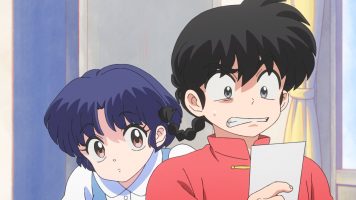
Ranma 1/2 25 (Here We Go Again #ranma #らんまアニメ)
<p>Ranma 1/2 25 らんま1/2 Ranma 1/2 Season 3 Episode 01 Spoiler Summary/Synopsis Kuno gives Akane a dating schedule for her and the pig tailed girl. Akane gives it to Ranma, who insults Kuno. As a result, Kuno attacks, but Ranma easily evades. Then with no effort, Ranma sends Kuno through the outer wall of the […]</p>
<p>The post <a href="https://anime.astronerdboy.com/2026/10/ranma-1-2-25.html">Ranma 1/2 25 (Here We Go Again #ranma #らんまアニメ)</a> appeared first on <a href="https://anime.astronerdboy.com">AstroNerdBoy's Anime and Manga Blog</a>.</p>
 AstroNerdBoy's Anime and Manga Blog
6 minutes ago
AstroNerdBoy's Anime and Manga Blog
6 minutes ago
Che faranno ora i matematici rovinati dall’IA?
le posizioni sono diverse
 Notiziole di .mau.
38 minutes ago
Notiziole di .mau.
38 minutes ago

Buonanotte 🌟
 Le Faccine Di Francy E Trilly
about 9 hours ago
Le Faccine Di Francy E Trilly
about 9 hours ago
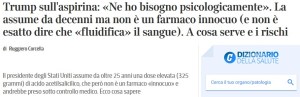
Un po’ di aspirina?
D’accordo, Donaldo non pare proprio nel pieno delle sue capacità mentali. Ma scrivere nell’occhiello del titolo di questo articolo che ne assume 325 grammi al giorno mi pare piuttosto esagerato… Ultimo aggiornamento: 2026-10-04 16:36
Notiziole di .mau.
about 13 hours ago
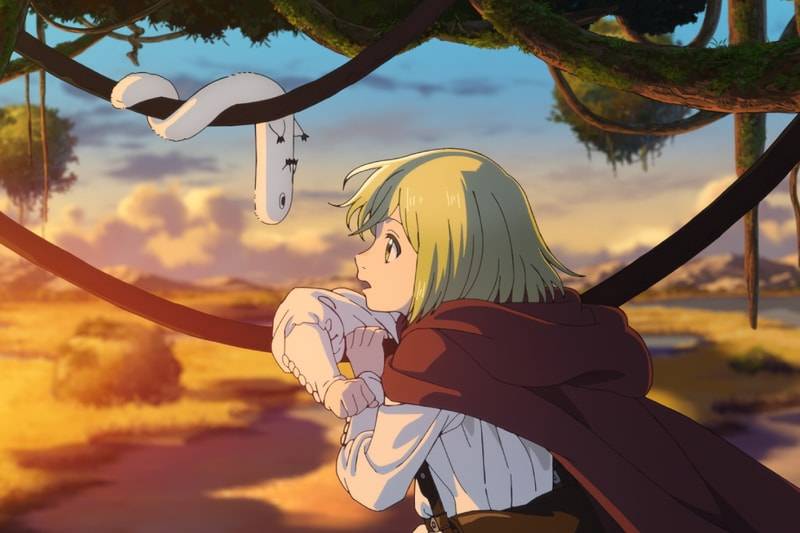
Mono no Aware and the Limits of Words
Consider this, we generally see a man’s life as rather fleeting, like the dew in the evening or the frost of the morning. –Daidoji Yuzan No doubt, as a fan of Japanese culture, you’ve encountered the idea that some Japanese phrases are “untranslatable.” This idea tends to tie with the idea that Japanese culture is too different, too special to be put into English. Chinese culture and the cultures of the old Orient (Egypt, India, Iran, and the rest of the Middle East) fall into the same mystery and inexplicable “otherness.” While this idea has become less prominent as we become more interconnected, and indeed as these cultures adopt (or are forced to adopt) Western cultural norms, it remains in different disguises. “Untranslatable” words remain one of the most common disguises. Words have limitations, of course. They are symbols for ideas, objects, and sensations. What makes words useful also makes them limited. Languages sit within a range of high-context to low-context. High-context languages assume understanding based on the situation. Low-context languages do not assume context, at least as far as any language can avoid assuming context. The differences between high-context languages, such as Japanese, and low-context languages, such as English, leads to the idea of words being “untranslatable.” In some regards, this is true. The Japanese word for understand or know, wakarimasu, assumes a subject within a given context. English doesn’t make sense if you would simply say “understand.” A subject must be defined, and an object should be defined for maximum clarity. English and other low-context languages need the context defined. This leads to low-context languages having more precision but also more words to convey the same idea. “Untranslatable” words which convey complex sentiments within a high-context culture therefore need more words to convey the same sentiment. A one-word for one-word translation isn’t always possible. Likewise, “untranslatable” ideas also work the other direction. It’s difficult to translate precise, little-context-assumed ideas into a highly contextual word or simple phrase. Dutch studies, as Edo period Japanese scholars called Western science and literature, often transliterated words and phrases instead of “translating” concepts one for one. It’s no different from how we in the West transliterate manga instead of using our word comic. Comic doesn’t quite capture what manga is. One such “untranslatable” phrase is mono no aware. If you read Western scholarly works about it, you see most scholars transliterate the term or refer to it as aware rather than translate it. This is a perfectly fine approach, and one I will mostly use for this essay. Scholars also write that mono no aware is a distinct Japanese aesthetic, implying few other cultures express it. Japan certainly portrays the aesthetic in a unique way, which continues in Japan’s literature, art, and even in anime. But mono no aware appears in Victorian photos of dead relatives before they are buried. Mono no aware can also be found in Native American stories and writings. Mono no aware is a common human experience; it isn’t truly “untranslatable.” Mono no aware is define in English as “the pathos of things” or “joyful sorrow.” The idea comes from Zen Buddhism’s focus on seeing the impermanence of life. Zen Buddhism observes how people deny the fact that life is passing and that trying to cling to things that are destined to change are how most people live (Lomas, 2016). The Tale of the Heike, one of Japan’s oldest books, captures this idea: The Gion bell-tolls, sounding the knell that all things must pass. Like the colors of the summer camellia, prosperity is ever followed by decline. The proud do not endure; they are like a dream on a spring night. Even the mighty meet with destruction, until they are as dust before the wind. Motoori Norinaga, an 18th century literary scholar, coined the term mono no aware. The phrase combines aware, sensitivity or sadness, and mono, things. Literally, mono no aware can be read as “thing’s sadness” or “things of sadness” (Lomas, 2016). Although the term was coined in the 18th century, the sentiment rooted during the Heian period. The Heian period (from the late 8th century to the 12th century CE) saw the development of Japan’s syllabaries, leading to the development of prose fiction and poetry. Before then, Chinese writing was used. During this period, reverence for cherry blossoms and plum blossoms, which both serve as symbols for mono no aware developed. Cherry blossoms appear for a short time each spring before disappearing; each time they return, they’re different. No single cherry blossom reappears exactly as it had previously existed. This fleeting uniqueness, here now and gone in a blink, generates the feeling of “things of sadness.” Cherry blossoms are beautiful and appreciated in part because they are fleeting. The sadness of their ending enhances their beauty. Heian literature sought to capture “cherry blossoms” with words. This led to the development of waka poems. The Anthology of Ancient and Modern Poems, or Kokinshu, compiles over 1,100 of these poems around 905 CE. Murasaki Shikibu’s Tale of Genji (another work filled with mono no aware) references this anthology 1018 times (Bell, 2015). Most of the poems trace to older periods, pointing to how the concept of mono no aware predates the Hein period (Japanese Literature, 2018, Duthie, 2023). Waka poems follow 5 metrical units of 5/7/5/7/7 syllable patterns. Waka poems exist in conversation with each other. Like cherry blossoms, they cycle without being the same and emphasizing beautiful fleeting moments with a sad, yet joyful or hopeful, undertone. The Kokinshu places these poems in sequence. Here’s a waka conversation to give you an example (Duthie, 2023): Written by the Nijo Empress Consort: Spring has arrived before the snow has gone; perhaps now the warbler’s frozen tears will melt away at last? Followed by this anonymous poem: Though the warbler that has come to the branches of the plum tree cries to summon the spring, snow continues to fall. And this poem written by Soei, a monk: Perhaps he thinks they are blossoms because spring has arrived? White snow covers the branches on which the warbler cries. This anonymous poem finishes the sequence: So profoundly have my thoughts been suffused by my desires, that the lingering snow appears to me like blossoms. This sequence contains many symbols of mono no aware: a lonely warbler, melting snow, and references to plum blossoms. Besides cherry blossoms. the moon also becomes the most common symbol of this aesthetic sensibility, also from Kokinshu: When I see the light of the moon leaking through the trees I know the heart wrenching autumn has arrived. Poems like these inspired ukiyo-e artists, particularly Katsushika Hokusai. Ukiyo-e, or floating-world picture, are woodblock prints common throughout the Edo period. The word ukiyo-e references the Buddhist description of “this fleeting, sorrowful world” (Bell, 2015). Woodblock prints depicted moments from Edo’s red-light districts, which were called floating worlds because of how temporary and fleeting their pleasures and beauty were. Ukiyo-e artists created some of the earliest mass-produced manga, more like single-panel cartoons. Modern manga artists would build on this long tradition. You can see these symbols throughout manga and anime. We see characters walking to school or work with cherry blossoms fluttering around them. Characters gaze at the moon. But we also see modern versions of mono no aware. The most common, and perhaps the hardest for Westerners to identify, appears during summer. Cicadas chirrup against soft (or absent) background music. The camera pans upward. Dusk reddens the scene, and we see electric lines silhouetted against the sky. The scene captures the end of summer, the transition from teenage student to adult, and references the fleeting, beautifully joyous sadness of life. The Victorian practice of photographing deceased family members is a Western expression of mono no aware. It doesn’t translate as well as Japan’s symbolism of cherry blossoms and even electric lines. The practice strikes us moderns as morbid, but this photography was a celebration of technology (photography was a new, exciting development) and aimed to capture the familial connections the deceased had in life. The contrast of the fleeting moment of life stolen by death and captured by “permanence” of photography, generates a similar sentiment as cherry blossoms, at least among Victorians. For some, decaying homes and barns, slowly being engulfed by nature, represents mono no aware. On an individual level, books, video games, anime, and other media can illicit feelings of mono no aware. They can remind you of happy, former times, which ended too soon and can never return no matter how many times you revisit the story. American culture doesn’t have a society-wide symbol for mono no aware. Instead, American culture has an individualized system where cultural segments and individuals have their own symbols. If I had to pin down a more universal symbol for the sentiment for American culture, I would suggest Friday night high school football. For many people, the ritual of attending these games evokes feelings of mono no aware. Football reminds them of their childhood and teen years, of community, and the fleeting nature of those moments. Where they had once played on the field or cheered as a cheerleader or played as a band member, they now watch their own children or grandchildren. Their joy mixes with a sadness at how their own time has passed and how their children’s time is passing. Of course, if you ask anyone attending a Friday night game, I doubt they will articulate this mix of feelings, caught up in excitement of the game. American culture prefers to keep feelings like mono no aware at arms length. If I had to translate mono no aware into a single English word, I would use either nostalgia or bittersweet. Nostalgia is a little different from mono no aware, but nostalgia contains the feelings of mono no aware. And mono no aware contains nostalgia. Perhaps the better word would be bittersweet. Bittersweet invokes happiness laced with sadness linked to the transience of the moment. High school graduation ceremonies invoke this bittersweetness (as anime loves to show). The event is sweet in that you’ve achieved adulthood but bitter because you must now leave your classmates, teachers, and second home (for better or worse that is what schools become) behind. Bittersweet captures the feeling but doesn’t contain the symbol associations that mono no aware does. Remember that mono no aware is an aesthetic, that is, an artistic expression of the sorrowful happiness surrounding the ephemeral nature of life. We use the phrase as a symbol for those emotions. So, while bittersweet lacks the aesthetic elements of mono no aware, the word more accurately represents the emotions the aesthetic points toward. Words act as symbols for ideas and objects. Symbols, by their nature, have limits. People interpret symbols differently because they have different experiences which compose their frames of reference. This sounds obvious, but in practice people assume words are understood in the same way. This may be true on a surface level. Terms like love, however, invoke a different set of experiences and emotions attached to those experiences. These deeper associates lead to words and other symbols being understood in, sometimes, completely different ways. Cherry blossoms may invoke feelings associated with mono no aware but everyone’s experiences of these emotions differs and with that their understanding of the phrase. This doesn’t mean words aren’t useful. Writing is one of the most magical of human inventions, allowing you to hear my thoughts in your mind and the thoughts of long, long dead people. Remembering the limitations of words helps you be more charitable toward people’s use of those words. Instead of allowing your understanding of their words to trigger you, consider how their experiences influence their use of words compared to your own. Depending on your perspective, you can argue that all words are untranslatable, not across cultures and languages but across individuals. But this slides toward an unhelpful deconstruction. Phrases like mono no aware appear to be untranslatable at first, but all supposed untranslatable words remain linked to the human experience. While these experiences vary, everyone experiences them in some way. This means the words which symbolize these experiences can usually be found. Sometimes a transliteration can work better, but in the case of mono no aware, using the word bittersweet may work better than a transliteration even if the word drops the artistic elements associated with mono no aware. This can be stepped around by using bittersweet as an adjective: bittersweet poems, bittersweet art. But then, mono no aware is more fun to say. References Bell, David (2015) Katsushika Hokusai and a Poetics of Nostalgia. Educational Philosophy and Theory. 47 (6) 579–595, http://dx.doi.org/10.1080/00131857.2014.964158. Duthie, Torquil (2023) The “Kokinshū” as a foundational classic. The New Criterion April 2023. Japanese Literature (2018) Funk & Wagnalls New World Encyclopedia. Chicago: World Book Inc. Lomas, Tim (2016) Untranslatable Words: Mono No Aware, and the Aesthetics of Impermanence. Huffpost. https://www.huffpost.com/entry/untranslatable-words-mono_b_9292490.
 Japan Powered
about 15 hours ago
Japan Powered
about 15 hours ago

Buon appetito 🍷
Le Faccine Di Francy E Trilly
about 18 hours ago
Perché i colossi dell’AI distruggono i libri?
Da Project Panama di Anthropic alla razzia dei libri usati in Giappone, i volumi fisici rappresentano materiale pregiato per l’addestramento dell’AI, ma non mancano le controversie
https://guerredirete.substack.com/p/perche-i-colossi-dellai-distruggono
 Informa Pirata: informazione e notizie – Telegram
about 20 hours ago
Informa Pirata: informazione e notizie – Telegram
about 20 hours ago

Buongiornoooo 🌞 ☕
Le Faccine Di Francy E Trilly
about 23 hours ago
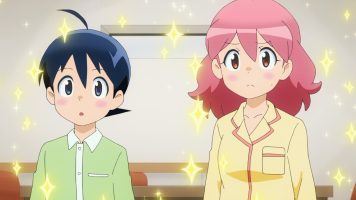
Keroro Gunsou☆ Episode 01 (Not a Reboot? #ケロロ軍曹 #Keroro)
<p>Keroro Gunsou☆ Episode 01 ケロロ軍曹/Sgt. Frog Anime Review 2026 Keroro☆ SPOILER Summary/Synopsis: Fuyuki and Natsumi wake to discover Keroro has clean the house perfectly, going the extra mile. To further show his appreciation to this Hinata family, he has a city diorama built called Keroro’s Dreamland. After shrinking the siblings into the city, the platoon […]</p>
<p>The post <a href="https://anime.astronerdboy.com/2026/10/2026-keroro-gunsou-episode-01.html">Keroro Gunsou☆ Episode 01 (Not a Reboot? #ケロロ軍曹 #Keroro)</a> appeared first on <a href="https://anime.astronerdboy.com">AstroNerdBoy's Anime and Manga Blog</a>.</p>
AstroNerdBoy's Anime and Manga Blog
about 24 hours ago
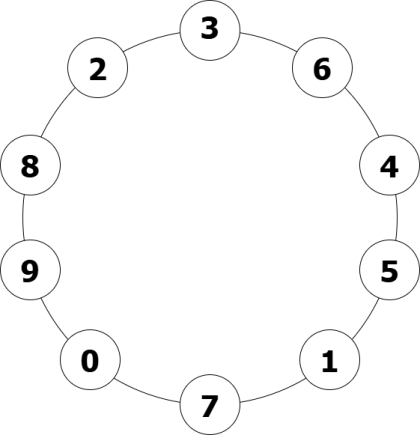
Quizzino della domenica: Braccialetto
Riuscite a tagliare il braccialetto in modo matematicamente interessante?
Notiziole di .mau.
1 day ago
Attentato del 16 maggio, il Sindaco: “Dopo le rivelazioni di Fuori dal Coro, Piantedosi deve chiarire. I modenesi hanno diritto alla verità"
“Quanto emerso ieri sera nel corso della trasmissione Fuori dal coro, e rilanciato questa mattina dal quotidiano La Verità, pone interrogativi di estrema gravità ai quali il ministro dell’Interno Matteo Piantedosi ha il dovere di dare risposte chiare e tempestive.
La trasmissione ha raccolto, in forma anonima, la testimonianza di un operativo dell'intelligence che afferma di essersi occupato del caso di Salim El Koudri e secondo il quale il soggetto sarebbe stato seguito e 'attenzionato' in più momenti, tra il 2021 e il 2023. Lo stesso agente ha parlato di un 'epilogo negativo' riconducibile a una possibile 'errata interpretazione comportamentale' nella valutazione del soggetto. Si tratta, allo stato, di affermazioni giornalistiche e di una testimonianza anonima che devono essere verificate, ma proprio per la loro gravità non possono essere ignorate.
https://www.comune.modena.it/novita/comunicati/2026/settembre/attentato-del-16-maggio-il-sindaco-dopo-le-rivelazioni-di-fuori-dal-coro-piantedosi-deve-chiarire-i-modenesi-hanno-diritto-alla-verita
Informa Pirata: informazione e notizie – Telegram
1 day ago
Top Games Lists: 10 Cozy Games Like Dressmaker (in 2026)
10 cozy games like Dressmaker, for the sewing-obsessed, stitch-happy, wannabe fashion designer. These games are so on trend right now.
Top Games Lists: 10 Cozy Games Like Dressmaker (in 2026) appeared first on Her Cozy Gaming.
 Her Cozy Gaming
1 day ago
Her Cozy Gaming
1 day ago
☕ CYBERBRIEFING — Sabato 3 ottobre 2026
☕ CYBERBRIEFING — Sabato 3 ottobre 2026 Il tuo riassunto quotidiano di cybersecurity da leggere con il caffè. ⚠ IN PRIMO PIANO Un'operazione internazionale coordinata da Europol, Eurojust, FBI e dalle polizie di Germania, Spagna, Regno Unito e Romania ha smantellato il gruppo ransomware KillSec, seq…
👉Leggi tutti gli aggiornamenti delle ultime 24 ore: https://ilpuntocyber.rfeed.it/article.php?s=2026-10-03
💬 Se vuoi se ne può discutere sul forum: https://internet-forum.it
Informa Pirata: informazione e notizie – Telegram
2 days ago
The Tiger That Isn’t (ebook)
Come trovare il senso (se c'è) nei numeri che ci vengono presentati.
Notiziole di .mau.
2 days ago
Touching Grass Isn’t Enough: The Furry Fandom’s Issues Are Structural
The problems with the furry fandom today are not as simple as,“Furries need to touch grass!” Unfortunately, whatever you’re seeing that makes you want to say such a thing is probably a structural problem with multiple compounding factors. I will elaborate. But first, for anyone who feels lost, I need to explain where we are […]
 Dhole Moments
2 days ago
Dhole Moments
2 days ago
Buonanotte 🌟
Le Faccine Di Francy E Trilly
2 days ago

Buon appetito 😊
Le Faccine Di Francy E Trilly
2 days ago
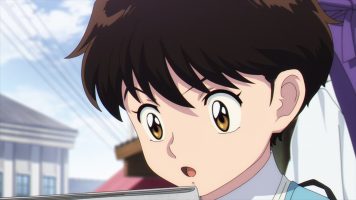
MAO Anime Review (#アニメMAO)
<p>MAO Anime Review I’ve watched pretty much every anime adaptation of a manga from Takahashi-sensei. With RINNE, I just lost interest in the title. I was vaguely aware of the MAO manga, but I had no interest. However, when the manga received an anime adaptation, I figured I’d give it a watch. I gotta say, […]</p>
<p>The post <a href="https://anime.astronerdboy.com/2026/10/mao-anime-review.html">MAO Anime Review (#アニメMAO)</a> appeared first on <a href="https://anime.astronerdboy.com">AstroNerdBoy's Anime and Manga Blog</a>.</p>
AstroNerdBoy's Anime and Manga Blog
2 days ago
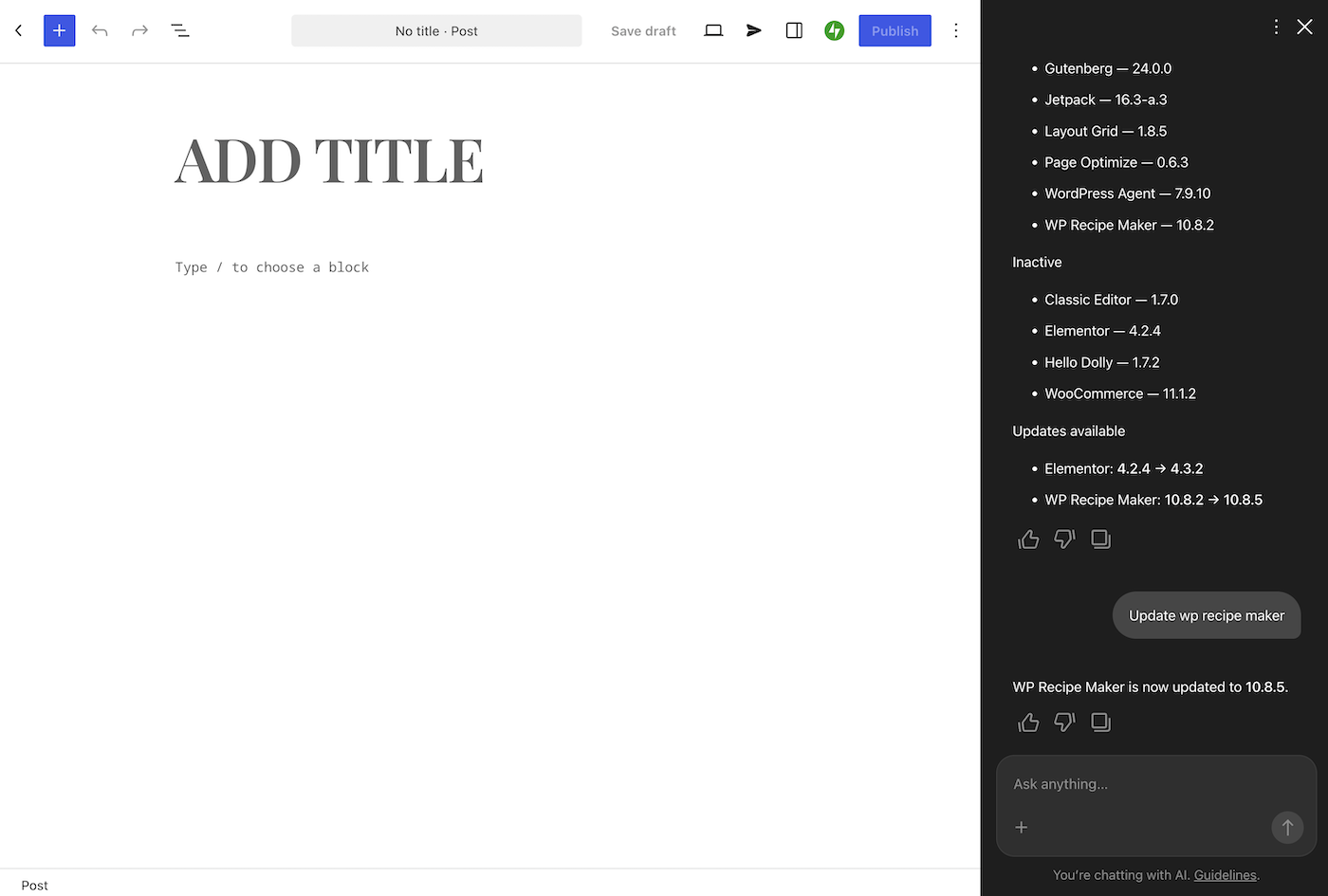
WordPress.com Changelog: Your Growing AI Toolbox
Let the WordPress Agent install plugins for you, connect Cursor to your site, and catch up on recent WordPress security releases and Reader updates.
 WordPress.com Blog
2 days ago
WordPress.com Blog
2 days ago
A model guide for the GPT-6 family
Learn how startups can choose GPT-6 models, tune reasoning effort, improve prompts and skills, coordinate tools, and prepare workflows for production.
 OpenAI News
2 days ago
OpenAI News
2 days ago

🤣
Le Faccine Di Francy E Trilly
3 days ago

🙂
Le Faccine Di Francy E Trilly
3 days ago

😊
Le Faccine Di Francy E Trilly
3 days ago

😁😉🤣
Le Faccine Di Francy E Trilly
3 days ago
🌞
Le Faccine Di Francy E Trilly
3 days ago
Informa Pirata: informazione e notizie – Telegram
3 days ago
Buon appetito 🍷
Le Faccine Di Francy E Trilly
3 days ago

Buongiornoooo ☕🌞
Le Faccine Di Francy E Trilly
3 days ago
OPAS di Poste su Tim. E ora?
Lo scenario è cambiato, e ora è più probabile una fusione
Notiziole di .mau.
3 days ago
Ma che schifo mi fa vedere threads
Threads • Log in
Ranma 1/2 25 (Here We Go Again #ranma #らんまアニメ)
<p>Ranma 1/2 25 らんま1/2 Ranma 1/2 Season 3 Episode 01 Spoiler Summary/Synopsis Kuno gives Akane a dating schedule for her and the pig tailed girl. Akane gives it to Ranma, who insults Kuno. As a result, Kuno attacks, but Ranma easily evades. Then with no effort, Ranma sends Kuno through the outer wall of the […]</p>
<p>The post <a href="https://anime.astronerdboy.com/2026/10/ranma-1-2-25.html">Ranma 1/2 25 (Here We Go Again #ranma #らんまアニメ)</a> appeared first on <a href="https://anime.astronerdboy.com">AstroNerdBoy's Anime and Manga Blog</a>.</p>
AstroNerdBoy's Anime and Manga Blog
6 minutes ago
Che faranno ora i matematici rovinati dall’IA?
le posizioni sono diverse
Notiziole di .mau.
38 minutes ago
Buonanotte 🌟
Le Faccine Di Francy E Trilly
about 9 hours ago
Un po’ di aspirina?
D’accordo, Donaldo non pare proprio nel pieno delle sue capacità mentali. Ma scrivere nell’occhiello del titolo di questo articolo che ne assume 325 grammi al giorno mi pare piuttosto esagerato… Ultimo aggiornamento: 2026-10-04 16:36
Notiziole di .mau.
about 13 hours ago
Mono no Aware and the Limits of Words
Consider this, we generally see a man’s life as rather fleeting, like the dew in the evening or the frost of the morning. –Daidoji Yuzan No doubt, as a fan of Japanese culture, you’ve encountered the idea that some Japanese phrases are “untranslatable.” This idea tends to tie with the idea that Japanese culture is too different, too special to be put into English. Chinese culture and the cultures of the old Orient (Egypt, India, Iran, and the rest of the Middle East) fall into the same mystery and inexplicable “otherness.” While this idea has become less prominent as we become more interconnected, and indeed as these cultures adopt (or are forced to adopt) Western cultural norms, it remains in different disguises. “Untranslatable” words remain one of the most common disguises. Words have limitations, of course. They are symbols for ideas, objects, and sensations. What makes words useful also makes them limited. Languages sit within a range of high-context to low-context. High-context languages assume understanding based on the situation. Low-context languages do not assume context, at least as far as any language can avoid assuming context. The differences between high-context languages, such as Japanese, and low-context languages, such as English, leads to the idea of words being “untranslatable.” In some regards, this is true. The Japanese word for understand or know, wakarimasu, assumes a subject within a given context. English doesn’t make sense if you would simply say “understand.” A subject must be defined, and an object should be defined for maximum clarity. English and other low-context languages need the context defined. This leads to low-context languages having more precision but also more words to convey the same idea. “Untranslatable” words which convey complex sentiments within a high-context culture therefore need more words to convey the same sentiment. A one-word for one-word translation isn’t always possible. Likewise, “untranslatable” ideas also work the other direction. It’s difficult to translate precise, little-context-assumed ideas into a highly contextual word or simple phrase. Dutch studies, as Edo period Japanese scholars called Western science and literature, often transliterated words and phrases instead of “translating” concepts one for one. It’s no different from how we in the West transliterate manga instead of using our word comic. Comic doesn’t quite capture what manga is. One such “untranslatable” phrase is mono no aware. If you read Western scholarly works about it, you see most scholars transliterate the term or refer to it as aware rather than translate it. This is a perfectly fine approach, and one I will mostly use for this essay. Scholars also write that mono no aware is a distinct Japanese aesthetic, implying few other cultures express it. Japan certainly portrays the aesthetic in a unique way, which continues in Japan’s literature, art, and even in anime. But mono no aware appears in Victorian photos of dead relatives before they are buried. Mono no aware can also be found in Native American stories and writings. Mono no aware is a common human experience; it isn’t truly “untranslatable.” Mono no aware is define in English as “the pathos of things” or “joyful sorrow.” The idea comes from Zen Buddhism’s focus on seeing the impermanence of life. Zen Buddhism observes how people deny the fact that life is passing and that trying to cling to things that are destined to change are how most people live (Lomas, 2016). The Tale of the Heike, one of Japan’s oldest books, captures this idea: The Gion bell-tolls, sounding the knell that all things must pass. Like the colors of the summer camellia, prosperity is ever followed by decline. The proud do not endure; they are like a dream on a spring night. Even the mighty meet with destruction, until they are as dust before the wind. Motoori Norinaga, an 18th century literary scholar, coined the term mono no aware. The phrase combines aware, sensitivity or sadness, and mono, things. Literally, mono no aware can be read as “thing’s sadness” or “things of sadness” (Lomas, 2016). Although the term was coined in the 18th century, the sentiment rooted during the Heian period. The Heian period (from the late 8th century to the 12th century CE) saw the development of Japan’s syllabaries, leading to the development of prose fiction and poetry. Before then, Chinese writing was used. During this period, reverence for cherry blossoms and plum blossoms, which both serve as symbols for mono no aware developed. Cherry blossoms appear for a short time each spring before disappearing; each time they return, they’re different. No single cherry blossom reappears exactly as it had previously existed. This fleeting uniqueness, here now and gone in a blink, generates the feeling of “things of sadness.” Cherry blossoms are beautiful and appreciated in part because they are fleeting. The sadness of their ending enhances their beauty. Heian literature sought to capture “cherry blossoms” with words. This led to the development of waka poems. The Anthology of Ancient and Modern Poems, or Kokinshu, compiles over 1,100 of these poems around 905 CE. Murasaki Shikibu’s Tale of Genji (another work filled with mono no aware) references this anthology 1018 times (Bell, 2015). Most of the poems trace to older periods, pointing to how the concept of mono no aware predates the Hein period (Japanese Literature, 2018, Duthie, 2023). Waka poems follow 5 metrical units of 5/7/5/7/7 syllable patterns. Waka poems exist in conversation with each other. Like cherry blossoms, they cycle without being the same and emphasizing beautiful fleeting moments with a sad, yet joyful or hopeful, undertone. The Kokinshu places these poems in sequence. Here’s a waka conversation to give you an example (Duthie, 2023): Written by the Nijo Empress Consort: Spring has arrived before the snow has gone; perhaps now the warbler’s frozen tears will melt away at last? Followed by this anonymous poem: Though the warbler that has come to the branches of the plum tree cries to summon the spring, snow continues to fall. And this poem written by Soei, a monk: Perhaps he thinks they are blossoms because spring has arrived? White snow covers the branches on which the warbler cries. This anonymous poem finishes the sequence: So profoundly have my thoughts been suffused by my desires, that the lingering snow appears to me like blossoms. This sequence contains many symbols of mono no aware: a lonely warbler, melting snow, and references to plum blossoms. Besides cherry blossoms. the moon also becomes the most common symbol of this aesthetic sensibility, also from Kokinshu: When I see the light of the moon leaking through the trees I know the heart wrenching autumn has arrived. Poems like these inspired ukiyo-e artists, particularly Katsushika Hokusai. Ukiyo-e, or floating-world picture, are woodblock prints common throughout the Edo period. The word ukiyo-e references the Buddhist description of “this fleeting, sorrowful world” (Bell, 2015). Woodblock prints depicted moments from Edo’s red-light districts, which were called floating worlds because of how temporary and fleeting their pleasures and beauty were. Ukiyo-e artists created some of the earliest mass-produced manga, more like single-panel cartoons. Modern manga artists would build on this long tradition. You can see these symbols throughout manga and anime. We see characters walking to school or work with cherry blossoms fluttering around them. Characters gaze at the moon. But we also see modern versions of mono no aware. The most common, and perhaps the hardest for Westerners to identify, appears during summer. Cicadas chirrup against soft (or absent) background music. The camera pans upward. Dusk reddens the scene, and we see electric lines silhouetted against the sky. The scene captures the end of summer, the transition from teenage student to adult, and references the fleeting, beautifully joyous sadness of life. The Victorian practice of photographing deceased family members is a Western expression of mono no aware. It doesn’t translate as well as Japan’s symbolism of cherry blossoms and even electric lines. The practice strikes us moderns as morbid, but this photography was a celebration of technology (photography was a new, exciting development) and aimed to capture the familial connections the deceased had in life. The contrast of the fleeting moment of life stolen by death and captured by “permanence” of photography, generates a similar sentiment as cherry blossoms, at least among Victorians. For some, decaying homes and barns, slowly being engulfed by nature, represents mono no aware. On an individual level, books, video games, anime, and other media can illicit feelings of mono no aware. They can remind you of happy, former times, which ended too soon and can never return no matter how many times you revisit the story. American culture doesn’t have a society-wide symbol for mono no aware. Instead, American culture has an individualized system where cultural segments and individuals have their own symbols. If I had to pin down a more universal symbol for the sentiment for American culture, I would suggest Friday night high school football. For many people, the ritual of attending these games evokes feelings of mono no aware. Football reminds them of their childhood and teen years, of community, and the fleeting nature of those moments. Where they had once played on the field or cheered as a cheerleader or played as a band member, they now watch their own children or grandchildren. Their joy mixes with a sadness at how their own time has passed and how their children’s time is passing. Of course, if you ask anyone attending a Friday night game, I doubt they will articulate this mix of feelings, caught up in excitement of the game. American culture prefers to keep feelings like mono no aware at arms length. If I had to translate mono no aware into a single English word, I would use either nostalgia or bittersweet. Nostalgia is a little different from mono no aware, but nostalgia contains the feelings of mono no aware. And mono no aware contains nostalgia. Perhaps the better word would be bittersweet. Bittersweet invokes happiness laced with sadness linked to the transience of the moment. High school graduation ceremonies invoke this bittersweetness (as anime loves to show). The event is sweet in that you’ve achieved adulthood but bitter because you must now leave your classmates, teachers, and second home (for better or worse that is what schools become) behind. Bittersweet captures the feeling but doesn’t contain the symbol associations that mono no aware does. Remember that mono no aware is an aesthetic, that is, an artistic expression of the sorrowful happiness surrounding the ephemeral nature of life. We use the phrase as a symbol for those emotions. So, while bittersweet lacks the aesthetic elements of mono no aware, the word more accurately represents the emotions the aesthetic points toward. Words act as symbols for ideas and objects. Symbols, by their nature, have limits. People interpret symbols differently because they have different experiences which compose their frames of reference. This sounds obvious, but in practice people assume words are understood in the same way. This may be true on a surface level. Terms like love, however, invoke a different set of experiences and emotions attached to those experiences. These deeper associates lead to words and other symbols being understood in, sometimes, completely different ways. Cherry blossoms may invoke feelings associated with mono no aware but everyone’s experiences of these emotions differs and with that their understanding of the phrase. This doesn’t mean words aren’t useful. Writing is one of the most magical of human inventions, allowing you to hear my thoughts in your mind and the thoughts of long, long dead people. Remembering the limitations of words helps you be more charitable toward people’s use of those words. Instead of allowing your understanding of their words to trigger you, consider how their experiences influence their use of words compared to your own. Depending on your perspective, you can argue that all words are untranslatable, not across cultures and languages but across individuals. But this slides toward an unhelpful deconstruction. Phrases like mono no aware appear to be untranslatable at first, but all supposed untranslatable words remain linked to the human experience. While these experiences vary, everyone experiences them in some way. This means the words which symbolize these experiences can usually be found. Sometimes a transliteration can work better, but in the case of mono no aware, using the word bittersweet may work better than a transliteration even if the word drops the artistic elements associated with mono no aware. This can be stepped around by using bittersweet as an adjective: bittersweet poems, bittersweet art. But then, mono no aware is more fun to say. References Bell, David (2015) Katsushika Hokusai and a Poetics of Nostalgia. Educational Philosophy and Theory. 47 (6) 579–595, http://dx.doi.org/10.1080/00131857.2014.964158. Duthie, Torquil (2023) The “Kokinshū” as a foundational classic. The New Criterion April 2023. Japanese Literature (2018) Funk & Wagnalls New World Encyclopedia. Chicago: World Book Inc. Lomas, Tim (2016) Untranslatable Words: Mono No Aware, and the Aesthetics of Impermanence. Huffpost. https://www.huffpost.com/entry/untranslatable-words-mono_b_9292490.
Japan Powered
about 15 hours ago
Buon appetito 🍷
Le Faccine Di Francy E Trilly
about 18 hours ago
Perché i colossi dell’AI distruggono i libri?
Da Project Panama di Anthropic alla razzia dei libri usati in Giappone, i volumi fisici rappresentano materiale pregiato per l’addestramento dell’AI, ma non mancano le controversie
https://guerredirete.substack.com/p/perche-i-colossi-dellai-distruggono
Informa Pirata: informazione e notizie – Telegram
about 20 hours ago
Buongiornoooo 🌞 ☕
Le Faccine Di Francy E Trilly
about 23 hours ago
Keroro Gunsou☆ Episode 01 (Not a Reboot? #ケロロ軍曹 #Keroro)
<p>Keroro Gunsou☆ Episode 01 ケロロ軍曹/Sgt. Frog Anime Review 2026 Keroro☆ SPOILER Summary/Synopsis: Fuyuki and Natsumi wake to discover Keroro has clean the house perfectly, going the extra mile. To further show his appreciation to this Hinata family, he has a city diorama built called Keroro’s Dreamland. After shrinking the siblings into the city, the platoon […]</p>
<p>The post <a href="https://anime.astronerdboy.com/2026/10/2026-keroro-gunsou-episode-01.html">Keroro Gunsou☆ Episode 01 (Not a Reboot? #ケロロ軍曹 #Keroro)</a> appeared first on <a href="https://anime.astronerdboy.com">AstroNerdBoy's Anime and Manga Blog</a>.</p>
AstroNerdBoy's Anime and Manga Blog
about 24 hours ago
Quizzino della domenica: Braccialetto
Riuscite a tagliare il braccialetto in modo matematicamente interessante?
Notiziole di .mau.
1 day ago
Attentato del 16 maggio, il Sindaco: “Dopo le rivelazioni di Fuori dal Coro, Piantedosi deve chiarire. I modenesi hanno diritto alla verità"
“Quanto emerso ieri sera nel corso della trasmissione Fuori dal coro, e rilanciato questa mattina dal quotidiano La Verità, pone interrogativi di estrema gravità ai quali il ministro dell’Interno Matteo Piantedosi ha il dovere di dare risposte chiare e tempestive.
La trasmissione ha raccolto, in forma anonima, la testimonianza di un operativo dell'intelligence che afferma di essersi occupato del caso di Salim El Koudri e secondo il quale il soggetto sarebbe stato seguito e 'attenzionato' in più momenti, tra il 2021 e il 2023. Lo stesso agente ha parlato di un 'epilogo negativo' riconducibile a una possibile 'errata interpretazione comportamentale' nella valutazione del soggetto. Si tratta, allo stato, di affermazioni giornalistiche e di una testimonianza anonima che devono essere verificate, ma proprio per la loro gravità non possono essere ignorate.
https://www.comune.modena.it/novita/comunicati/2026/settembre/attentato-del-16-maggio-il-sindaco-dopo-le-rivelazioni-di-fuori-dal-coro-piantedosi-deve-chiarire-i-modenesi-hanno-diritto-alla-verita
Informa Pirata: informazione e notizie – Telegram
1 day ago
Top Games Lists: 10 Cozy Games Like Dressmaker (in 2026)
10 cozy games like Dressmaker, for the sewing-obsessed, stitch-happy, wannabe fashion designer. These games are so on trend right now.
Top Games Lists: 10 Cozy Games Like Dressmaker (in 2026) appeared first on Her Cozy Gaming.
Her Cozy Gaming
1 day ago
☕ CYBERBRIEFING — Sabato 3 ottobre 2026
☕ CYBERBRIEFING — Sabato 3 ottobre 2026 Il tuo riassunto quotidiano di cybersecurity da leggere con il caffè. ⚠ IN PRIMO PIANO Un'operazione internazionale coordinata da Europol, Eurojust, FBI e dalle polizie di Germania, Spagna, Regno Unito e Romania ha smantellato il gruppo ransomware KillSec, seq…
👉Leggi tutti gli aggiornamenti delle ultime 24 ore: https://ilpuntocyber.rfeed.it/article.php?s=2026-10-03
💬 Se vuoi se ne può discutere sul forum: https://internet-forum.it
Informa Pirata: informazione e notizie – Telegram
2 days ago
The Tiger That Isn’t (ebook)
Come trovare il senso (se c'è) nei numeri che ci vengono presentati.
Notiziole di .mau.
2 days ago
Touching Grass Isn’t Enough: The Furry Fandom’s Issues Are Structural
The problems with the furry fandom today are not as simple as,“Furries need to touch grass!” Unfortunately, whatever you’re seeing that makes you want to say such a thing is probably a structural problem with multiple compounding factors. I will elaborate. But first, for anyone who feels lost, I need to explain where we are […]
Dhole Moments
2 days ago
Buonanotte 🌟
Le Faccine Di Francy E Trilly
2 days ago
Buon appetito 😊
Le Faccine Di Francy E Trilly
2 days ago
MAO Anime Review (#アニメMAO)
<p>MAO Anime Review I’ve watched pretty much every anime adaptation of a manga from Takahashi-sensei. With RINNE, I just lost interest in the title. I was vaguely aware of the MAO manga, but I had no interest. However, when the manga received an anime adaptation, I figured I’d give it a watch. I gotta say, […]</p>
<p>The post <a href="https://anime.astronerdboy.com/2026/10/mao-anime-review.html">MAO Anime Review (#アニメMAO)</a> appeared first on <a href="https://anime.astronerdboy.com">AstroNerdBoy's Anime and Manga Blog</a>.</p>
AstroNerdBoy's Anime and Manga Blog
2 days ago
WordPress.com Changelog: Your Growing AI Toolbox
Let the WordPress Agent install plugins for you, connect Cursor to your site, and catch up on recent WordPress security releases and Reader updates.
WordPress.com Blog
2 days ago
A model guide for the GPT-6 family
Learn how startups can choose GPT-6 models, tune reasoning effort, improve prompts and skills, coordinate tools, and prepare workflows for production.
OpenAI News
2 days ago
🤣
Le Faccine Di Francy E Trilly
3 days ago
🙂
Le Faccine Di Francy E Trilly
3 days ago
😊
Le Faccine Di Francy E Trilly
3 days ago
😁😉🤣
Le Faccine Di Francy E Trilly
3 days ago
🌞
Le Faccine Di Francy E Trilly
3 days ago
Informa Pirata: informazione e notizie – Telegram
3 days ago
Buon appetito 🍷
Le Faccine Di Francy E Trilly
3 days ago
Buongiornoooo ☕🌞
Le Faccine Di Francy E Trilly
3 days ago
OPAS di Poste su Tim. E ora?
Lo scenario è cambiato, e ora è più probabile una fusione
Notiziole di .mau.
3 days ago
Ma che schifo mi fa vedere threads
Threads • Log in
Ranma 1/2 25 (Here We Go Again #ranma #らんまアニメ)
<p>Ranma 1/2 25 らんま1/2 Ranma 1/2 Season 3 Episode 01 Spoiler Summary/Synopsis Kuno gives Akane a dating schedule for her and the pig tailed girl. Akane gives it to Ranma, who insults Kuno. As a result, Kuno attacks, but Ranma easily evades. Then with no effort, Ranma sends Kuno through the outer wall of the […]</p>
<p>The post <a href="https://anime.astronerdboy.com/2026/10/ranma-1-2-25.html">Ranma 1/2 25 (Here We Go Again #ranma #らんまアニメ)</a> appeared first on <a href="https://anime.astronerdboy.com">AstroNerdBoy's Anime and Manga Blog</a>.</p>
AstroNerdBoy's Anime and Manga Blog
6 minutes ago
Che faranno ora i matematici rovinati dall’IA?
le posizioni sono diverse
Notiziole di .mau.
38 minutes ago
Buonanotte 🌟
Le Faccine Di Francy E Trilly
about 9 hours ago
Un po’ di aspirina?
D’accordo, Donaldo non pare proprio nel pieno delle sue capacità mentali. Ma scrivere nell’occhiello del titolo di questo articolo che ne assume 325 grammi al giorno mi pare piuttosto esagerato… Ultimo aggiornamento: 2026-10-04 16:36
Notiziole di .mau.
about 13 hours ago
Mono no Aware and the Limits of Words
Consider this, we generally see a man’s life as rather fleeting, like the dew in the evening or the frost of the morning. –Daidoji Yuzan No doubt, as a fan of Japanese culture, you’ve encountered the idea that some Japanese phrases are “untranslatable.” This idea tends to tie with the idea that Japanese culture is too different, too special to be put into English. Chinese culture and the cultures of the old Orient (Egypt, India, Iran, and the rest of the Middle East) fall into the same mystery and inexplicable “otherness.” While this idea has become less prominent as we become more interconnected, and indeed as these cultures adopt (or are forced to adopt) Western cultural norms, it remains in different disguises. “Untranslatable” words remain one of the most common disguises. Words have limitations, of course. They are symbols for ideas, objects, and sensations. What makes words useful also makes them limited. Languages sit within a range of high-context to low-context. High-context languages assume understanding based on the situation. Low-context languages do not assume context, at least as far as any language can avoid assuming context. The differences between high-context languages, such as Japanese, and low-context languages, such as English, leads to the idea of words being “untranslatable.” In some regards, this is true. The Japanese word for understand or know, wakarimasu, assumes a subject within a given context. English doesn’t make sense if you would simply say “understand.” A subject must be defined, and an object should be defined for maximum clarity. English and other low-context languages need the context defined. This leads to low-context languages having more precision but also more words to convey the same idea. “Untranslatable” words which convey complex sentiments within a high-context culture therefore need more words to convey the same sentiment. A one-word for one-word translation isn’t always possible. Likewise, “untranslatable” ideas also work the other direction. It’s difficult to translate precise, little-context-assumed ideas into a highly contextual word or simple phrase. Dutch studies, as Edo period Japanese scholars called Western science and literature, often transliterated words and phrases instead of “translating” concepts one for one. It’s no different from how we in the West transliterate manga instead of using our word comic. Comic doesn’t quite capture what manga is. One such “untranslatable” phrase is mono no aware. If you read Western scholarly works about it, you see most scholars transliterate the term or refer to it as aware rather than translate it. This is a perfectly fine approach, and one I will mostly use for this essay. Scholars also write that mono no aware is a distinct Japanese aesthetic, implying few other cultures express it. Japan certainly portrays the aesthetic in a unique way, which continues in Japan’s literature, art, and even in anime. But mono no aware appears in Victorian photos of dead relatives before they are buried. Mono no aware can also be found in Native American stories and writings. Mono no aware is a common human experience; it isn’t truly “untranslatable.” Mono no aware is define in English as “the pathos of things” or “joyful sorrow.” The idea comes from Zen Buddhism’s focus on seeing the impermanence of life. Zen Buddhism observes how people deny the fact that life is passing and that trying to cling to things that are destined to change are how most people live (Lomas, 2016). The Tale of the Heike, one of Japan’s oldest books, captures this idea: The Gion bell-tolls, sounding the knell that all things must pass. Like the colors of the summer camellia, prosperity is ever followed by decline. The proud do not endure; they are like a dream on a spring night. Even the mighty meet with destruction, until they are as dust before the wind. Motoori Norinaga, an 18th century literary scholar, coined the term mono no aware. The phrase combines aware, sensitivity or sadness, and mono, things. Literally, mono no aware can be read as “thing’s sadness” or “things of sadness” (Lomas, 2016). Although the term was coined in the 18th century, the sentiment rooted during the Heian period. The Heian period (from the late 8th century to the 12th century CE) saw the development of Japan’s syllabaries, leading to the development of prose fiction and poetry. Before then, Chinese writing was used. During this period, reverence for cherry blossoms and plum blossoms, which both serve as symbols for mono no aware developed. Cherry blossoms appear for a short time each spring before disappearing; each time they return, they’re different. No single cherry blossom reappears exactly as it had previously existed. This fleeting uniqueness, here now and gone in a blink, generates the feeling of “things of sadness.” Cherry blossoms are beautiful and appreciated in part because they are fleeting. The sadness of their ending enhances their beauty. Heian literature sought to capture “cherry blossoms” with words. This led to the development of waka poems. The Anthology of Ancient and Modern Poems, or Kokinshu, compiles over 1,100 of these poems around 905 CE. Murasaki Shikibu’s Tale of Genji (another work filled with mono no aware) references this anthology 1018 times (Bell, 2015). Most of the poems trace to older periods, pointing to how the concept of mono no aware predates the Hein period (Japanese Literature, 2018, Duthie, 2023). Waka poems follow 5 metrical units of 5/7/5/7/7 syllable patterns. Waka poems exist in conversation with each other. Like cherry blossoms, they cycle without being the same and emphasizing beautiful fleeting moments with a sad, yet joyful or hopeful, undertone. The Kokinshu places these poems in sequence. Here’s a waka conversation to give you an example (Duthie, 2023): Written by the Nijo Empress Consort: Spring has arrived before the snow has gone; perhaps now the warbler’s frozen tears will melt away at last? Followed by this anonymous poem: Though the warbler that has come to the branches of the plum tree cries to summon the spring, snow continues to fall. And this poem written by Soei, a monk: Perhaps he thinks they are blossoms because spring has arrived? White snow covers the branches on which the warbler cries. This anonymous poem finishes the sequence: So profoundly have my thoughts been suffused by my desires, that the lingering snow appears to me like blossoms. This sequence contains many symbols of mono no aware: a lonely warbler, melting snow, and references to plum blossoms. Besides cherry blossoms. the moon also becomes the most common symbol of this aesthetic sensibility, also from Kokinshu: When I see the light of the moon leaking through the trees I know the heart wrenching autumn has arrived. Poems like these inspired ukiyo-e artists, particularly Katsushika Hokusai. Ukiyo-e, or floating-world picture, are woodblock prints common throughout the Edo period. The word ukiyo-e references the Buddhist description of “this fleeting, sorrowful world” (Bell, 2015). Woodblock prints depicted moments from Edo’s red-light districts, which were called floating worlds because of how temporary and fleeting their pleasures and beauty were. Ukiyo-e artists created some of the earliest mass-produced manga, more like single-panel cartoons. Modern manga artists would build on this long tradition. You can see these symbols throughout manga and anime. We see characters walking to school or work with cherry blossoms fluttering around them. Characters gaze at the moon. But we also see modern versions of mono no aware. The most common, and perhaps the hardest for Westerners to identify, appears during summer. Cicadas chirrup against soft (or absent) background music. The camera pans upward. Dusk reddens the scene, and we see electric lines silhouetted against the sky. The scene captures the end of summer, the transition from teenage student to adult, and references the fleeting, beautifully joyous sadness of life. The Victorian practice of photographing deceased family members is a Western expression of mono no aware. It doesn’t translate as well as Japan’s symbolism of cherry blossoms and even electric lines. The practice strikes us moderns as morbid, but this photography was a celebration of technology (photography was a new, exciting development) and aimed to capture the familial connections the deceased had in life. The contrast of the fleeting moment of life stolen by death and captured by “permanence” of photography, generates a similar sentiment as cherry blossoms, at least among Victorians. For some, decaying homes and barns, slowly being engulfed by nature, represents mono no aware. On an individual level, books, video games, anime, and other media can illicit feelings of mono no aware. They can remind you of happy, former times, which ended too soon and can never return no matter how many times you revisit the story. American culture doesn’t have a society-wide symbol for mono no aware. Instead, American culture has an individualized system where cultural segments and individuals have their own symbols. If I had to pin down a more universal symbol for the sentiment for American culture, I would suggest Friday night high school football. For many people, the ritual of attending these games evokes feelings of mono no aware. Football reminds them of their childhood and teen years, of community, and the fleeting nature of those moments. Where they had once played on the field or cheered as a cheerleader or played as a band member, they now watch their own children or grandchildren. Their joy mixes with a sadness at how their own time has passed and how their children’s time is passing. Of course, if you ask anyone attending a Friday night game, I doubt they will articulate this mix of feelings, caught up in excitement of the game. American culture prefers to keep feelings like mono no aware at arms length. If I had to translate mono no aware into a single English word, I would use either nostalgia or bittersweet. Nostalgia is a little different from mono no aware, but nostalgia contains the feelings of mono no aware. And mono no aware contains nostalgia. Perhaps the better word would be bittersweet. Bittersweet invokes happiness laced with sadness linked to the transience of the moment. High school graduation ceremonies invoke this bittersweetness (as anime loves to show). The event is sweet in that you’ve achieved adulthood but bitter because you must now leave your classmates, teachers, and second home (for better or worse that is what schools become) behind. Bittersweet captures the feeling but doesn’t contain the symbol associations that mono no aware does. Remember that mono no aware is an aesthetic, that is, an artistic expression of the sorrowful happiness surrounding the ephemeral nature of life. We use the phrase as a symbol for those emotions. So, while bittersweet lacks the aesthetic elements of mono no aware, the word more accurately represents the emotions the aesthetic points toward. Words act as symbols for ideas and objects. Symbols, by their nature, have limits. People interpret symbols differently because they have different experiences which compose their frames of reference. This sounds obvious, but in practice people assume words are understood in the same way. This may be true on a surface level. Terms like love, however, invoke a different set of experiences and emotions attached to those experiences. These deeper associates lead to words and other symbols being understood in, sometimes, completely different ways. Cherry blossoms may invoke feelings associated with mono no aware but everyone’s experiences of these emotions differs and with that their understanding of the phrase. This doesn’t mean words aren’t useful. Writing is one of the most magical of human inventions, allowing you to hear my thoughts in your mind and the thoughts of long, long dead people. Remembering the limitations of words helps you be more charitable toward people’s use of those words. Instead of allowing your understanding of their words to trigger you, consider how their experiences influence their use of words compared to your own. Depending on your perspective, you can argue that all words are untranslatable, not across cultures and languages but across individuals. But this slides toward an unhelpful deconstruction. Phrases like mono no aware appear to be untranslatable at first, but all supposed untranslatable words remain linked to the human experience. While these experiences vary, everyone experiences them in some way. This means the words which symbolize these experiences can usually be found. Sometimes a transliteration can work better, but in the case of mono no aware, using the word bittersweet may work better than a transliteration even if the word drops the artistic elements associated with mono no aware. This can be stepped around by using bittersweet as an adjective: bittersweet poems, bittersweet art. But then, mono no aware is more fun to say. References Bell, David (2015) Katsushika Hokusai and a Poetics of Nostalgia. Educational Philosophy and Theory. 47 (6) 579–595, http://dx.doi.org/10.1080/00131857.2014.964158. Duthie, Torquil (2023) The “Kokinshū” as a foundational classic. The New Criterion April 2023. Japanese Literature (2018) Funk & Wagnalls New World Encyclopedia. Chicago: World Book Inc. Lomas, Tim (2016) Untranslatable Words: Mono No Aware, and the Aesthetics of Impermanence. Huffpost. https://www.huffpost.com/entry/untranslatable-words-mono_b_9292490.
Japan Powered
about 15 hours ago
Buon appetito 🍷
Le Faccine Di Francy E Trilly
about 18 hours ago
Perché i colossi dell’AI distruggono i libri?
Da Project Panama di Anthropic alla razzia dei libri usati in Giappone, i volumi fisici rappresentano materiale pregiato per l’addestramento dell’AI, ma non mancano le controversie
https://guerredirete.substack.com/p/perche-i-colossi-dellai-distruggono
Informa Pirata: informazione e notizie – Telegram
about 20 hours ago
Buongiornoooo 🌞 ☕
Le Faccine Di Francy E Trilly
about 23 hours ago
Keroro Gunsou☆ Episode 01 (Not a Reboot? #ケロロ軍曹 #Keroro)
<p>Keroro Gunsou☆ Episode 01 ケロロ軍曹/Sgt. Frog Anime Review 2026 Keroro☆ SPOILER Summary/Synopsis: Fuyuki and Natsumi wake to discover Keroro has clean the house perfectly, going the extra mile. To further show his appreciation to this Hinata family, he has a city diorama built called Keroro’s Dreamland. After shrinking the siblings into the city, the platoon […]</p>
<p>The post <a href="https://anime.astronerdboy.com/2026/10/2026-keroro-gunsou-episode-01.html">Keroro Gunsou☆ Episode 01 (Not a Reboot? #ケロロ軍曹 #Keroro)</a> appeared first on <a href="https://anime.astronerdboy.com">AstroNerdBoy's Anime and Manga Blog</a>.</p>
AstroNerdBoy's Anime and Manga Blog
about 24 hours ago
Quizzino della domenica: Braccialetto
Riuscite a tagliare il braccialetto in modo matematicamente interessante?
Notiziole di .mau.
1 day ago
Attentato del 16 maggio, il Sindaco: “Dopo le rivelazioni di Fuori dal Coro, Piantedosi deve chiarire. I modenesi hanno diritto alla verità"
“Quanto emerso ieri sera nel corso della trasmissione Fuori dal coro, e rilanciato questa mattina dal quotidiano La Verità, pone interrogativi di estrema gravità ai quali il ministro dell’Interno Matteo Piantedosi ha il dovere di dare risposte chiare e tempestive.
La trasmissione ha raccolto, in forma anonima, la testimonianza di un operativo dell'intelligence che afferma di essersi occupato del caso di Salim El Koudri e secondo il quale il soggetto sarebbe stato seguito e 'attenzionato' in più momenti, tra il 2021 e il 2023. Lo stesso agente ha parlato di un 'epilogo negativo' riconducibile a una possibile 'errata interpretazione comportamentale' nella valutazione del soggetto. Si tratta, allo stato, di affermazioni giornalistiche e di una testimonianza anonima che devono essere verificate, ma proprio per la loro gravità non possono essere ignorate.
https://www.comune.modena.it/novita/comunicati/2026/settembre/attentato-del-16-maggio-il-sindaco-dopo-le-rivelazioni-di-fuori-dal-coro-piantedosi-deve-chiarire-i-modenesi-hanno-diritto-alla-verita
Informa Pirata: informazione e notizie – Telegram
1 day ago
Top Games Lists: 10 Cozy Games Like Dressmaker (in 2026)
10 cozy games like Dressmaker, for the sewing-obsessed, stitch-happy, wannabe fashion designer. These games are so on trend right now.
Top Games Lists: 10 Cozy Games Like Dressmaker (in 2026) appeared first on Her Cozy Gaming.
Her Cozy Gaming
1 day ago
☕ CYBERBRIEFING — Sabato 3 ottobre 2026
☕ CYBERBRIEFING — Sabato 3 ottobre 2026 Il tuo riassunto quotidiano di cybersecurity da leggere con il caffè. ⚠ IN PRIMO PIANO Un'operazione internazionale coordinata da Europol, Eurojust, FBI e dalle polizie di Germania, Spagna, Regno Unito e Romania ha smantellato il gruppo ransomware KillSec, seq…
👉Leggi tutti gli aggiornamenti delle ultime 24 ore: https://ilpuntocyber.rfeed.it/article.php?s=2026-10-03
💬 Se vuoi se ne può discutere sul forum: https://internet-forum.it
Informa Pirata: informazione e notizie – Telegram
2 days ago
The Tiger That Isn’t (ebook)
Come trovare il senso (se c'è) nei numeri che ci vengono presentati.
Notiziole di .mau.
2 days ago
Touching Grass Isn’t Enough: The Furry Fandom’s Issues Are Structural
The problems with the furry fandom today are not as simple as,“Furries need to touch grass!” Unfortunately, whatever you’re seeing that makes you want to say such a thing is probably a structural problem with multiple compounding factors. I will elaborate. But first, for anyone who feels lost, I need to explain where we are […]
Dhole Moments
2 days ago
Buonanotte 🌟
Le Faccine Di Francy E Trilly
2 days ago
Buon appetito 😊
Le Faccine Di Francy E Trilly
2 days ago
MAO Anime Review (#アニメMAO)
<p>MAO Anime Review I’ve watched pretty much every anime adaptation of a manga from Takahashi-sensei. With RINNE, I just lost interest in the title. I was vaguely aware of the MAO manga, but I had no interest. However, when the manga received an anime adaptation, I figured I’d give it a watch. I gotta say, […]</p>
<p>The post <a href="https://anime.astronerdboy.com/2026/10/mao-anime-review.html">MAO Anime Review (#アニメMAO)</a> appeared first on <a href="https://anime.astronerdboy.com">AstroNerdBoy's Anime and Manga Blog</a>.</p>
AstroNerdBoy's Anime and Manga Blog
2 days ago
WordPress.com Changelog: Your Growing AI Toolbox
Let the WordPress Agent install plugins for you, connect Cursor to your site, and catch up on recent WordPress security releases and Reader updates.
WordPress.com Blog
2 days ago
A model guide for the GPT-6 family
Learn how startups can choose GPT-6 models, tune reasoning effort, improve prompts and skills, coordinate tools, and prepare workflows for production.
OpenAI News
2 days ago
🤣
Le Faccine Di Francy E Trilly
3 days ago
🙂
Le Faccine Di Francy E Trilly
3 days ago
😊
Le Faccine Di Francy E Trilly
3 days ago
😁😉🤣
Le Faccine Di Francy E Trilly
3 days ago
🌞
Le Faccine Di Francy E Trilly
3 days ago
Informa Pirata: informazione e notizie – Telegram
3 days ago
Buon appetito 🍷
Le Faccine Di Francy E Trilly
3 days ago
Buongiornoooo ☕🌞
Le Faccine Di Francy E Trilly
3 days ago
OPAS di Poste su Tim. E ora?
Lo scenario è cambiato, e ora è più probabile una fusione
Notiziole di .mau.
3 days ago