Grid View
List View
Flow View
OpenAI expands initiatives to support journalism from classrooms to newsrooms
OpenAI is expanding support for journalism with tools, training, and partnerships for students, educators, journalists, and news organizations.
 OpenAI News
28 days ago
OpenAI News
28 days ago
On the Navier–Stokes Millennium Prize Problem
We’re sharing an AI-generated solution to the Navier–Stokes Millennium Prize Problem, including a writeup and a formal proof in Lean.
OpenAI News
28 days ago
Perché non farò più parte dell'associazione Fedimedia
Oggi 8 settembre ricorre un anno dalla costituzione dell'associazione Fedimedia Italia Associazione di Promozione Sociale, di cui sono socio fondatore, membro dl Consiglio Direttivo e Segretario.
Dopo un anno ho deciso che rassegnerò le dimissioni da socio e da tutte le altre cariche.
Il motivo principale è che ritengo che gli obiettivi dell'associazione non abbiano trovato compimento rispetto a quanto stabilito nello statuto, né sono più compatibili con i miei obiettivi.
https://poliverso.org/display/0477a01e-106a-9fc8-7607-13f353284625
 Informa Pirata: informazione e notizie – Telegram
28 days ago
Informa Pirata: informazione e notizie – Telegram
28 days ago
Funding grants for new research into AI and teen development
Apply now for OpenAI’s $5 million grant program supporting independent research on how generative AI affects teen development, well-being, and safety.
OpenAI News
28 days ago

Buongiornoooo ☕
 Le Faccine Di Francy E Trilly
28 days ago
Le Faccine Di Francy E Trilly
28 days ago

L’amore ai tempi di GTA VI
L’hai fatto firmare il contratto alla fidanzatina? (uso il maschile perché dai GTA è un gioco da very uominy)
 La Voce della Ribellione™
28 days ago
La Voce della Ribellione™
28 days ago

Gli LLM non sanno leggere gli spartiti
penserete mica che ormai con l'IA si possa fare tutto?
 Notiziole di .mau.
28 days ago
Notiziole di .mau.
28 days ago
1Password increases engineering productivity 21% with Codex
Engineers at 1Password use Codex to rapidly build new features and internal tools, reaching production-readiness while maintaining rigorous security policies.
OpenAI News
28 days ago

Buonanotte 🌟
Le Faccine Di Francy E Trilly
29 days ago
Banca Etica nasce per andare controcorrente, sfidando le regole della finanza tradizionale. In questa occasione sembra che non ci provi nemmeno.
Alessandro Messina, direttore generale di Banca Etica dal 2015 al 2021, consiglia anche satispay per aggirare le sanzioni usa:
l’automatico collegamento con i provvedimenti emanati dagli Usa è da dimostrare. In ogni caso, rimarrebbe accessibile il circuito nazionale Bancomat, su cui non ci sono interferenze statunitensi, e i pagamenti telematici non legati agli Usa come ad esempio Satispay. Banca Etica avrebbe potuto limitarsi a escludere A/I dal circuito Visa e mantenere operativi gli altri servizi. In più, la sanzione dà tempo fino al 25 settembre per la sua attuazione, non c’era ragione per attivarsi con questa rapidità.
https://ilmanifesto.it/il-problema-e-lamministrazione-usa-listituto-deve-mobilitarsi
Informa Pirata: informazione e notizie – Telegram
29 days ago
 Informa Pirata: informazione e notizie – Telegram
29 days ago
Informa Pirata: informazione e notizie – Telegram
29 days ago

My Darling Devilish Daughter Vol. 01 Manga Review
<p>My Darling Devilish Daughter Vol. 01 Manga Review Boku no Manamusume 01 ぼくの魔なむすめ My Demonic Daughter NOTICE!!! In the interest of full disclosure, I should mention that I am the adapter for the official English translation of the True Tenchi Muyo! novels, which are also published by Seven Seas. –> Buy My Darling Devilish Daughter […]</p>
<p>The post <a href="https://anime.astronerdboy.com/2026/09/my-darling-devilish-daughter-vol-01-manga-review.html">My Darling Devilish Daughter Vol. 01 Manga Review</a> appeared first on <a href="https://anime.astronerdboy.com">AstroNerdBoy's Anime and Manga Blog</a>.</p>
 AstroNerdBoy's Anime and Manga Blog
29 days ago
AstroNerdBoy's Anime and Manga Blog
29 days ago
La Casa Bianca ha aperto sul suo sito ufficiale la sezione Arcade, una raccolta di cinque videogiochi iconici dalla grafica retrò che trasforma l’agenda politica di Trump in obiettivi da completare.
https://www.ilmessaggero.it/AMP/tecnologia/trump_casa_bianca_arcade_videogiochi_tetris_muro_migranti-9743156.html
C'è Rio Run, ispirato allo storico Snake, in cui il responsabile delle frontiere Tom Homan insegue migranti per catturarli e fare indossare loro la tuta arancione.
Build the Wall riprende invece gli incastri di Tetris per costruire il muro al confine col Messico per respingere le “orde” che nel frattempo arrivano dal sud.
Invece Supply Line fa scartare alimenti incompatibili con il programma “Make America Healthy Again” del segretario Robert Kennedy; Flappy Bill affida a un’aquila il trasporto di un disegno di legge; e Trump Savings Tycoon invita a raccogliere denaro per i conti d’investimento destinati ai bambini.
Il progetto deve essere in lavorazione da tempo in quanto il portale è ben fatto (è dentro il sito ufficiale della Casa Bianca) e la grafica è piuttosto curata, con tanto di logo SEGA che diventa, con lo stesso font, ovviamente MAGA.
https://www.whitehouse.gov/arcade/
All’AFP la Casa Bianca ha spiegato di voler raccontare i risultati del presidente con linguaggi capaci di raggiungere tutti, contrapponendo una “cultura del divertimento e della vittoria” alla visione dei Democratici.
I richiami ai classici non implicano però il coinvolgimento dei loro autori originali, tanto che The Tetris Company ha dichiarato sui social di non aver partecipato a Build the Wall e, con il post-scriptum “Prendiamo molto sul serio la violazione del copyright”, indirettamente di stare prendendo in esame la questione.
—
Una notizia del canale @ppInforma
Informa Pirata: informazione e notizie – Telegram
29 days ago
Lo studio del giurista Giovanni Maria Riccio individua nella metodologia di Piracy Shield un modello di intervento contro la pirateria per tutta l'Unione Europea, ma con durate limitata agli eventi piratati.
Si scalda il dibattito attorno alla revisione sulle norme che regolano il diritto d'autore in Europa: uno studio commissionato dalla Commissione Affari giuridici del Parlamento Europeo designa Piracy Shield come modello di intervento da seguire ovunque. Le VPN? Intermediari non neutrali
https://www.dday.it/redazione/58644/lo-studio-piracy-shield-un-modello-per-tutta-lunione-europea-le-vpn-nel-mirino-intermediari-non-neutrali
Grazie ad Anna per la segnalazione
Informa Pirata: informazione e notizie – Telegram
29 days ago
La disattivazione di autistici.org minaccia la natura globale e libera di Internet
L’Internet Society Italia esprime forte preoccupazione per la disattivazione del dominio autistici.org da parte del Public Interest Registry (PIR), conseguente alla designazione di Autistici/Inventati da parte del governo statunitense come Specially Designated Global Terrorist (SDGT).
https://www.isoc.it/la-disattivazione-di-autisticiorg-minaccia-la-natura-globale-e-libera-di-internet
Grazie ad Anna per la segnalazione
Informa Pirata: informazione e notizie – Telegram
29 days ago

Lanturn
Bulbapedia description: Lanturn is a blue piscine Pokémon resembling an anglerfish. It has big, red eyes (white sclerae, black pupils) with a yellow mask-like marking around them and small, light blue pectoral fins. The lower half of its tailfin is yellow with jagged edges; the top half is blue and vertical. On its back is […]
 PokéMum
29 days ago
PokéMum
29 days ago

Buongiornoooo 🌞
Le Faccine Di Francy E Trilly
29 days ago

Il Bach benchmark
Gli LLM stanno cominciando a scrivere corali non troppo malfatti
Notiziole di .mau.
29 days ago
Supporting independent journalism in Ukraine
OpenAI, AIRPPU and WAN-IFRA launch an AI program to help Ukrainian news organizations strengthen innovation, resilience, and independent journalism.
OpenAI News
29 days ago

MAO 23 (Companion Mystery #アニメMAO)
<p>MAO 23 Review SPOILER Summary/Synopsis After Mao treats Hyakka’s and Nanoka’s wounds, Tenko briefs Mao on a new situation at the local hospital. A man with bandaged eyes sneaks out of the hospital every night. He returns to his bed in the morning covered in dirt and mud. Rumors have it this patient may have […]</p>
<p>The post <a href="https://anime.astronerdboy.com/2026/09/mao-23.html">MAO 23 (Companion Mystery #アニメMAO)</a> appeared first on <a href="https://anime.astronerdboy.com">AstroNerdBoy's Anime and Manga Blog</a>.</p>
AstroNerdBoy's Anime and Manga Blog
30 days ago
DISSERVIZIO DI FEDDIT DEL 6 SETTEMBRE 2026, COSA È SUCCESSO
https://feddit.it/post/32610973
Il nuovo post di @skariko è su feddit.it/c/main
Disservizio di Feddit del 6 settembre 2026, cosa è successo
Di @skariko su #main
@main
Informa Pirata: informazione e notizie – Telegram
30 days ago

Buonanotte 🌟
Le Faccine Di Francy E Trilly
30 days ago
A/I chiude - Restare Umani
Il collettivo Autistici/Inventati chiude e sospenderà tutti i servizi a breve termine.
Non c’è un modo facile per dirlo o per spiegarlo.
Ogni giorno in cui siamo rimaste online a partire dal 26 agosto è stata una vittoria, ma noi dobbiamo fermarci oggi.
Nessuna di noi ha simpatia per i gesti eroici e men che meno per i martiri, quindi non ne faremo e non ne chiederemo. In questo clima continuare a offrire i nostri servizi è solo un pericolo in più per le nostre utenti, e per tutte le persone che fanno parte delle nostre comunità. In un mondo di accuse slegate dai fatti non possiamo che aspettarci un’ulteriore repressione sproporzionata. Questo ci mette di fronte all’impossibilità di mantenere il nostro progetto originario: offrire strumenti sicuri e non mercificati.
Sono stati 25 anni bellissimi. Sono stati una “bella storia”.
Ora mollate il pc, uscite, lottate, abbracciatevi e non perdete il sorriso. Perché noi ci fermiamo. Ma la resistenza e le idee no. Restiamo umani.
https://keepitfree.ai/it/announcements/a/i-chiude-restare-umani/
Informa Pirata: informazione e notizie – Telegram
30 days ago
Il Vibe Coding non sostituisce i programmatori: un nuovo studio scientifico dimostra che per guidare l'IA nello sviluppo di software funzionanti le competenze informatiche restano ancora fondamentali
Un recente e discusso studio condotto dal Politecnico di Zurigo ha gettato nuova luce sul fenomeno del "vibe coding", ovvero la pratica di creare applicazioni impartendo semplici istruzioni testuali all'intelligenza artificiale. I ricercatori hanno osservato cento sviluppatori all'interno di un ambiente di lavoro realistico per capire quali abilità garantissero davvero il successo in questo nuovo paradigma, esaminando le loro doti comunicative, il ragionamento logico e il background tecnico.
I dati emersi smentiscono molte delle narrazioni dominanti del settore. Sebbene la capacità di scrivere richieste in modo chiaro e strutturato sia indubbiamente utile per indirizzare la macchina, il vero fattore discriminante si è rivelata l'esperienza informatica pregressa. Anche a parità di intelligenza generale e di abilità linguistiche, possedere solide basi nello sviluppo software ha inciso in modo drastico su chi è riuscito a portare a termine i progetti e chi ha fallito. Le statistiche mostrano infatti che il peso delle competenze informatiche sul risultato finale è grande il doppio rispetto a quello delle sole capacità di scrittura.
La ragione di questa discrepanza risiede nella vera natura della collaborazione con l'IA. Lavorare con un agente artificiale non significa limitarsi a generare testo, ma richiede una costante attività di revisione e correzione della logica. Quando il sistema commette errori sottili o introduce falle strutturali, un utente privo di basi tecniche si lascia facilmente ingannare da un'interfaccia grafica ben rifinita. Non avendo la giusta mentalità ingegneristica, a questa persona mancano i modelli mentali necessari per intuire l'esistenza del problema, fare le domande corrette e contestare le scelte dell'algoritmo. In sintesi, l'illusione che il linguaggio naturale abbia reso inutile lo studio della programmazione si scontra con i fatti: per sfruttare appieno questi strumenti, comprendere come ragiona la macchina è un requisito irrinunciabile.
arxiv.org/pdf/2603.14133
Grazie a EnzoEsco per la segnalazione
Informa Pirata: informazione e notizie – Telegram
30 days ago
Da questa mattina il server feddit.it è offline a causa di un problema non ancora identificato. Ci scusiamo per il disservizio.
Sarà comunque possibile utilizzare i gruppi di citiverse.it e di poliverso.org
Informa Pirata: informazione e notizie – Telegram
30 days ago
The Spirit of Japan: A Lecture in 1916 Foreshadowing World War II
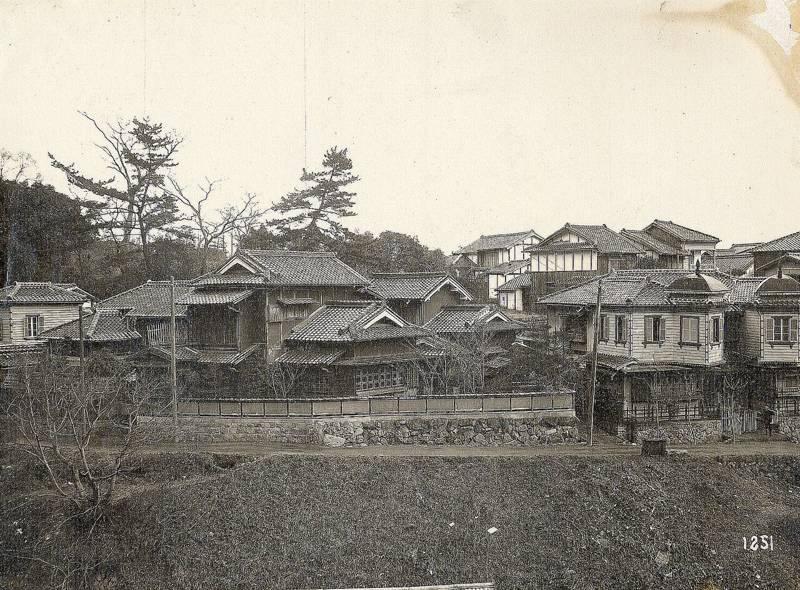
In 1916, Rabindranath Tagore gave a a series of lectures in Japan. Tagore was a British Indian poet, writer, philosopher, and painter. He became the first non-European to win the Nobel Prize in Literature in 1913. He criticized nationalism and advocated for Indian independence. I came across one of his published lectures given to the the students and members of the Indo-Japanese Association at Keio Gijuku University. The lecture proves interesting in many ways. First, Tagore is an Indian living under British colonial rule, so he has a different perspective from most of the English writers I find from this period. His experiences under British rule leads him to warn Japan about the course it was following at the time. A little historical context: Japan had been opening to the world for the past 50 years at the point Tagore speaks and striving to be recognized as a player at the “international game of poker (where everyone cheats)” through a rapid modernization and militarization program. This push concerns Tagore, who begins his lecture praising Japan’s culture and otherwise has elements of Japonisme. What has impressed me most in this country is the conviction that you have realised nature’s secrets, not by methods of analytical knowledge, but by sympathy. You have known her language of lines and music of colours, the symmetry in her irregularities, and the cadence in her freedom of movements; you have seen how she leads her immense crowds of things yet avoids all frictions; how the very conflicts in her creations break out in dance and music; how her exuberance has the aspect of the fullness of self-abandonment, and not a mere dissipation of display. Tagore highlights a common observation of travelers to Japan at that time. Japan was still transitioning to an industrial country, so the country still had its feet in the Tokugawa period’s nature focus. After the Tokugawa Shogunate had witnessed deforestation at the beginning of its reign, it instituted a partnership with the logging villages to sustain and expand forests. Wood, after all, was the primary building material and source for heat. This top-down and bottom-up approach, coupled with the nature-veneration Shinto has built into it, created these observations. Today, with more people leaving Japan’s rural villages for the work cities offer, this observation and idealism no longer holds. Like most developed nations, people have traded nature’s “language of lines and music of colors” for the concrete and glass of modern cities. But Japan’s relationship with nature, which shares many similarities with Native American cultures, remains a cultural memory–it isn’t entire gone. Tagore continues: In other great countries, signs of man’s power loomed large, and I saw vast organisations which showed efficiency in all their features. There, display and extravagance, in dress, in furniture, in costly entertainments, are startling. They seem to push you back into a corner, like a poor intruder at a feast; they are apt to make you envious, or take your breath away with amazement. There, you do not feel man as supreme; you are hurled against the stupendousness of things that alienates. But, in Japan, it is not the display of power, or wealth, that is the predominating element. You see everywhere emblems of love and admiration, and not mostly of ambition and greed. With the perspective hindsight offers, Tagore’s continued praise and observations here have a false ring to them, but he is setting up for his point later in the lecture. When he delivers the lecture, World War I was well underway. With Japan also at war with Germany. Japanese society, as with nearly all human societies, have power and wealth as predominating symbols at the national level. Of course, within society most people want to live and let live rather than actively move against other people. But, at the time Tagore spoke, Japan was rising on the world stage and was newly seated at the poker table with its entry into World War I on the side of the Allied Forces. Japan still retained an air of exoticism and mystery which would remain the main elements for how foreigners viewed the culture until World War II finally stripped it away. Well, Japan’s mystique still remains for many, but it isn’t the same as the feelings of exoticism which dominated the late 1800s and early 1900s. It’s interesting to see Tagore’s discussion point to how the perspective wasn’t limited to the West but also included British India’s perspective of Japan. Indians too seemed to have viewed Japan through the fading lens of Japonisme. Europe seems to have felt emphatically the conflict of things in the universe, which can only be brought under control by conquest. Therefore she is ever ready for fight, and the best portion of her attention is occupied in organising forces. But Japan has felt, in her world, the touch of some presence, which has evoked in her soul a feeling of reverent adoration. This comment makes an interesting jab at European colonialism (which contributed to World War I) before Japan’s began her own colonialism project in earnest. Japan’s conquest of Manchuria actually started in 1894 and blurred into Japan’s war with Russia a few years later. Tagore’s concern about Japan’s industrialization and Europeanization echoes Lafcadio Hearn’s similar laments in his later essays. Tagore, unlike Hearn, is more blunt: True modernism is freedom of mind, not slavery of taste. It is independence of thought and action, not tutelage under European schoolmasters. It is science, but not its wrong application in life,—a mere imitation of our science teachers who reduce it into a superstition absurdly invoking its aid for all impossible purposes. Tagore’s worry about Japan mimicking Europe leads him to make interesting observations which still holds true. Many believe themselves free thinkers, some proclaiming themselves the sheepdogs instead of the sheep, when this is a slavery of taste rather than a freedom of the mind. They consider themselves modern and thinking freely when they think in the way that’s sanctioned by their political tribe. Where Japan of Tagore’s time equated European conventions with modernism (despite the horrors of World War I), today we have people who equate modernism with their own political tribe or community’s conventions. Tagore’s lecture warns against the nationalistic thinking that underpinned World War I and would later again spark World War II. He worries about the damage that the war would have on the souls of the soldiers involved and on the societal souls of the cultures involved: I do not for a moment suggest, that Japan should be unmindful of acquiring modern weapons of self-protection. But this should never be allowed to go beyond her instinct of self-preservation. She must know that the real power is not in the weapons themselves, but in the man who wields those weapons; and when he, in his eagerness for power, multiplies his weapons at the cost of his own soul, then it is he who is in even greater danger than his enemies. He urges Japan to look within to find her own strength and position in the world rather than imitating and entangling with the West. And if Japan fully lost her unique culture and history, Japan would lose what makes her unique. Interestingly, as Japan’s population declines in our own era, and its society faces more pressure to open to immigrants–including, perhaps, another Meiji-like push to simplify the Japanese language–Japan again runs into what Tagore was concerned about. He had, after all, witnessed the Westernizing influence the British had on Indian culture: But now, where the spirit of the Western civilisation prevails, the whole people is being taught from boyhood, to foster hatreds and ambitions by all kinds of means,—by the manufacture of half-truths and untruths in history, by persistent misrepresentation of other races and the culture of unfavourable sentiments towards them, by setting up memorials of events, very often false, which for the sake of humanity should be speedily forgotten, thus continually brewing evil menace towards neighbours and nations other than their own. This is poisoning the very fountain-head of humanity. It is discrediting the ideals, which were born of the lives of men, who were our greatest and best. It is holding up gigantic selfishness as the one universal religion for all nations of the world. When you study history, you see the patterns Tagore worries about here. People are taught that hatred toward other people and taught that chasing ambitions to the harm of others are virtues. Falsehoods–lies and misrepresented history–and persistent flat-painting of people poisons people’s minds. And from these poisoned minds comes a poisoned culture that, eventually, ends in some sort of destruction as history continually shows, such as the combined World Wars. Japan, as we know with hindsight, falls into this trap, and as a student of history, I daresay the United States is currently falling into this trap, this pattern of history which empires fall prey to. And at the core of it is selfishness, both individual and cultural. In the end, the small people–you and me–tend to pay the price just as the small people of Japan’s World War II era paid the price. Throughout the lecture, Tagore spends a fair bit of time discussing the West juxtaposed to Japan: how the West fears the rise of the “Eastern race.” He warns the Japanese students about how the West uses power to the benefits of itself. He speaks from his Indian experience. He illustrates a common perspective among colonies during this long colonial period, a perspective which would eventually lead to the formation of the United States: “To the worship of this devil of politics she [the West] sacrifices other countries as victims.” He points out that the West doesn’t respect Japan for “her harmony of heroism and beauty, her depth of self-control and richness of self-expression” but for Japan’s ability to make war. Tagore’s observations of power, that countries only respect and fear other powerful countries while exploiting the weaker, unfortunately rings true today. Countries work out of self-interest. He expresses understanding toward Japan’s growing militarism, but he paints that militarism as equally evil as the European colonial project unraveled with World War I: “They [the West] admit Japan’s equality with themselves, only when they know that Japan also possesses the key to open the floodgate of hell-fire upon the fair earth, whenever she chooses, and can dance, in their own measure, the devil dance of pillage, murder, and ravishment of innocent women, while the world goes to ruin. ” He ends the lecture with a variety of warnings to Japan and namely for Japan to embrace what makes the culture unique rather than chasing the European definition of civilization and modernism. But he doesn’t only disparage the West. He also states that the soul of the West is struggling against the forces that makes the West brutish in his perspective. That the “divine in her heart is suffering from the injuries inflicted by her hands upon the world.” And that the East can learn from this divine Western heart just as the West can learn from the East. He warns his Japanese audience to turn away from nationalism, but he expects the fires of destruction to burn, clearing away everything but the “eternal light” in the East. Unfortunately, we know now, as we quickly near the 100 year anniversary of World War II, how right his observations and concerns were. And, time and again, societies fall back into similar patterns of thinking once the generations which had lived through the “red light of conflagration” die. Tagore’s lecture warns and celebrates Japan. It tears into Europe’s model of the time while recognizing that Europe has great societal aspects equal to the parts of Japan’s culture he praises. He warns Japan against adopting the militarism and nationalism which underpinned World War I. If only Japan, and Europe for that matter, had listened. If only we today would listen. References Tagore, Rabindranath (1916) The Spirit of Japan: A Lecture. Indo-Japanese Assocation, Tokyo.
 Japan Powered
30 days ago
Japan Powered
30 days ago
Claude non è mio fratello
di Massimo Mantellini
https://www.mantellini.it/2026/09/06/claude-non-e-mio-fratello/
Informa Pirata: informazione e notizie – Telegram
30 days ago

Buon appetito 😉
Le Faccine Di Francy E Trilly
30 days ago
An Alien Mind
Jakub Pachocki reflects on increasingly capable AI and the challenge of keeping it aligned. He calls for stronger safeguards and international coordination.
OpenAI News
about 1 month ago
Research acceleration: The view inside OpenAI
Inside OpenAI, coding agents are reshaping AI research. Explore early data on agent usage, experiment velocity, task complexity, and research acceleration.
OpenAI News
about 1 month ago
OpenAI expands initiatives to support journalism from classrooms to newsrooms
OpenAI is expanding support for journalism with tools, training, and partnerships for students, educators, journalists, and news organizations.
OpenAI News
28 days ago
On the Navier–Stokes Millennium Prize Problem
We’re sharing an AI-generated solution to the Navier–Stokes Millennium Prize Problem, including a writeup and a formal proof in Lean.
OpenAI News
28 days ago
Perché non farò più parte dell'associazione Fedimedia
Oggi 8 settembre ricorre un anno dalla costituzione dell'associazione Fedimedia Italia Associazione di Promozione Sociale, di cui sono socio fondatore, membro dl Consiglio Direttivo e Segretario.
Dopo un anno ho deciso che rassegnerò le dimissioni da socio e da tutte le altre cariche.
Il motivo principale è che ritengo che gli obiettivi dell'associazione non abbiano trovato compimento rispetto a quanto stabilito nello statuto, né sono più compatibili con i miei obiettivi.
https://poliverso.org/display/0477a01e-106a-9fc8-7607-13f353284625
Informa Pirata: informazione e notizie – Telegram
28 days ago
Funding grants for new research into AI and teen development
Apply now for OpenAI’s $5 million grant program supporting independent research on how generative AI affects teen development, well-being, and safety.
OpenAI News
28 days ago
Buongiornoooo ☕
Le Faccine Di Francy E Trilly
28 days ago
L’amore ai tempi di GTA VI
L’hai fatto firmare il contratto alla fidanzatina? (uso il maschile perché dai GTA è un gioco da very uominy)
La Voce della Ribellione™
28 days ago
Gli LLM non sanno leggere gli spartiti
penserete mica che ormai con l'IA si possa fare tutto?
Notiziole di .mau.
28 days ago
1Password increases engineering productivity 21% with Codex
Engineers at 1Password use Codex to rapidly build new features and internal tools, reaching production-readiness while maintaining rigorous security policies.
OpenAI News
28 days ago
Buonanotte 🌟
Le Faccine Di Francy E Trilly
29 days ago
Banca Etica nasce per andare controcorrente, sfidando le regole della finanza tradizionale. In questa occasione sembra che non ci provi nemmeno.
Alessandro Messina, direttore generale di Banca Etica dal 2015 al 2021, consiglia anche satispay per aggirare le sanzioni usa:
l’automatico collegamento con i provvedimenti emanati dagli Usa è da dimostrare. In ogni caso, rimarrebbe accessibile il circuito nazionale Bancomat, su cui non ci sono interferenze statunitensi, e i pagamenti telematici non legati agli Usa come ad esempio Satispay. Banca Etica avrebbe potuto limitarsi a escludere A/I dal circuito Visa e mantenere operativi gli altri servizi. In più, la sanzione dà tempo fino al 25 settembre per la sua attuazione, non c’era ragione per attivarsi con questa rapidità.
https://ilmanifesto.it/il-problema-e-lamministrazione-usa-listituto-deve-mobilitarsi
Informa Pirata: informazione e notizie – Telegram
29 days ago
Informa Pirata: informazione e notizie – Telegram
29 days ago
My Darling Devilish Daughter Vol. 01 Manga Review
<p>My Darling Devilish Daughter Vol. 01 Manga Review Boku no Manamusume 01 ぼくの魔なむすめ My Demonic Daughter NOTICE!!! In the interest of full disclosure, I should mention that I am the adapter for the official English translation of the True Tenchi Muyo! novels, which are also published by Seven Seas. –> Buy My Darling Devilish Daughter […]</p>
<p>The post <a href="https://anime.astronerdboy.com/2026/09/my-darling-devilish-daughter-vol-01-manga-review.html">My Darling Devilish Daughter Vol. 01 Manga Review</a> appeared first on <a href="https://anime.astronerdboy.com">AstroNerdBoy's Anime and Manga Blog</a>.</p>
AstroNerdBoy's Anime and Manga Blog
29 days ago
La Casa Bianca ha aperto sul suo sito ufficiale la sezione Arcade, una raccolta di cinque videogiochi iconici dalla grafica retrò che trasforma l’agenda politica di Trump in obiettivi da completare.
https://www.ilmessaggero.it/AMP/tecnologia/trump_casa_bianca_arcade_videogiochi_tetris_muro_migranti-9743156.html
C'è Rio Run, ispirato allo storico Snake, in cui il responsabile delle frontiere Tom Homan insegue migranti per catturarli e fare indossare loro la tuta arancione.
Build the Wall riprende invece gli incastri di Tetris per costruire il muro al confine col Messico per respingere le “orde” che nel frattempo arrivano dal sud.
Invece Supply Line fa scartare alimenti incompatibili con il programma “Make America Healthy Again” del segretario Robert Kennedy; Flappy Bill affida a un’aquila il trasporto di un disegno di legge; e Trump Savings Tycoon invita a raccogliere denaro per i conti d’investimento destinati ai bambini.
Il progetto deve essere in lavorazione da tempo in quanto il portale è ben fatto (è dentro il sito ufficiale della Casa Bianca) e la grafica è piuttosto curata, con tanto di logo SEGA che diventa, con lo stesso font, ovviamente MAGA.
https://www.whitehouse.gov/arcade/
All’AFP la Casa Bianca ha spiegato di voler raccontare i risultati del presidente con linguaggi capaci di raggiungere tutti, contrapponendo una “cultura del divertimento e della vittoria” alla visione dei Democratici.
I richiami ai classici non implicano però il coinvolgimento dei loro autori originali, tanto che The Tetris Company ha dichiarato sui social di non aver partecipato a Build the Wall e, con il post-scriptum “Prendiamo molto sul serio la violazione del copyright”, indirettamente di stare prendendo in esame la questione.
—
Una notizia del canale @ppInforma
Informa Pirata: informazione e notizie – Telegram
29 days ago
Lo studio del giurista Giovanni Maria Riccio individua nella metodologia di Piracy Shield un modello di intervento contro la pirateria per tutta l'Unione Europea, ma con durate limitata agli eventi piratati.
Si scalda il dibattito attorno alla revisione sulle norme che regolano il diritto d'autore in Europa: uno studio commissionato dalla Commissione Affari giuridici del Parlamento Europeo designa Piracy Shield come modello di intervento da seguire ovunque. Le VPN? Intermediari non neutrali
https://www.dday.it/redazione/58644/lo-studio-piracy-shield-un-modello-per-tutta-lunione-europea-le-vpn-nel-mirino-intermediari-non-neutrali
Grazie ad Anna per la segnalazione
Informa Pirata: informazione e notizie – Telegram
29 days ago
La disattivazione di autistici.org minaccia la natura globale e libera di Internet
L’Internet Society Italia esprime forte preoccupazione per la disattivazione del dominio autistici.org da parte del Public Interest Registry (PIR), conseguente alla designazione di Autistici/Inventati da parte del governo statunitense come Specially Designated Global Terrorist (SDGT).
https://www.isoc.it/la-disattivazione-di-autisticiorg-minaccia-la-natura-globale-e-libera-di-internet
Grazie ad Anna per la segnalazione
Informa Pirata: informazione e notizie – Telegram
29 days ago
Lanturn
Bulbapedia description: Lanturn is a blue piscine Pokémon resembling an anglerfish. It has big, red eyes (white sclerae, black pupils) with a yellow mask-like marking around them and small, light blue pectoral fins. The lower half of its tailfin is yellow with jagged edges; the top half is blue and vertical. On its back is […]
PokéMum
29 days ago
Buongiornoooo 🌞
Le Faccine Di Francy E Trilly
29 days ago
Il Bach benchmark
Gli LLM stanno cominciando a scrivere corali non troppo malfatti
Notiziole di .mau.
29 days ago
Supporting independent journalism in Ukraine
OpenAI, AIRPPU and WAN-IFRA launch an AI program to help Ukrainian news organizations strengthen innovation, resilience, and independent journalism.
OpenAI News
29 days ago
MAO 23 (Companion Mystery #アニメMAO)
<p>MAO 23 Review SPOILER Summary/Synopsis After Mao treats Hyakka’s and Nanoka’s wounds, Tenko briefs Mao on a new situation at the local hospital. A man with bandaged eyes sneaks out of the hospital every night. He returns to his bed in the morning covered in dirt and mud. Rumors have it this patient may have […]</p>
<p>The post <a href="https://anime.astronerdboy.com/2026/09/mao-23.html">MAO 23 (Companion Mystery #アニメMAO)</a> appeared first on <a href="https://anime.astronerdboy.com">AstroNerdBoy's Anime and Manga Blog</a>.</p>
AstroNerdBoy's Anime and Manga Blog
30 days ago
DISSERVIZIO DI FEDDIT DEL 6 SETTEMBRE 2026, COSA È SUCCESSO
https://feddit.it/post/32610973
Il nuovo post di @skariko è su feddit.it/c/main
Disservizio di Feddit del 6 settembre 2026, cosa è successo
Di @skariko su #main
@main
Informa Pirata: informazione e notizie – Telegram
30 days ago
Buonanotte 🌟
Le Faccine Di Francy E Trilly
30 days ago
A/I chiude - Restare Umani
Il collettivo Autistici/Inventati chiude e sospenderà tutti i servizi a breve termine.
Non c’è un modo facile per dirlo o per spiegarlo.
Ogni giorno in cui siamo rimaste online a partire dal 26 agosto è stata una vittoria, ma noi dobbiamo fermarci oggi.
Nessuna di noi ha simpatia per i gesti eroici e men che meno per i martiri, quindi non ne faremo e non ne chiederemo. In questo clima continuare a offrire i nostri servizi è solo un pericolo in più per le nostre utenti, e per tutte le persone che fanno parte delle nostre comunità. In un mondo di accuse slegate dai fatti non possiamo che aspettarci un’ulteriore repressione sproporzionata. Questo ci mette di fronte all’impossibilità di mantenere il nostro progetto originario: offrire strumenti sicuri e non mercificati.
Sono stati 25 anni bellissimi. Sono stati una “bella storia”.
Ora mollate il pc, uscite, lottate, abbracciatevi e non perdete il sorriso. Perché noi ci fermiamo. Ma la resistenza e le idee no. Restiamo umani.
https://keepitfree.ai/it/announcements/a/i-chiude-restare-umani/
Informa Pirata: informazione e notizie – Telegram
30 days ago
Il Vibe Coding non sostituisce i programmatori: un nuovo studio scientifico dimostra che per guidare l'IA nello sviluppo di software funzionanti le competenze informatiche restano ancora fondamentali
Un recente e discusso studio condotto dal Politecnico di Zurigo ha gettato nuova luce sul fenomeno del "vibe coding", ovvero la pratica di creare applicazioni impartendo semplici istruzioni testuali all'intelligenza artificiale. I ricercatori hanno osservato cento sviluppatori all'interno di un ambiente di lavoro realistico per capire quali abilità garantissero davvero il successo in questo nuovo paradigma, esaminando le loro doti comunicative, il ragionamento logico e il background tecnico.
I dati emersi smentiscono molte delle narrazioni dominanti del settore. Sebbene la capacità di scrivere richieste in modo chiaro e strutturato sia indubbiamente utile per indirizzare la macchina, il vero fattore discriminante si è rivelata l'esperienza informatica pregressa. Anche a parità di intelligenza generale e di abilità linguistiche, possedere solide basi nello sviluppo software ha inciso in modo drastico su chi è riuscito a portare a termine i progetti e chi ha fallito. Le statistiche mostrano infatti che il peso delle competenze informatiche sul risultato finale è grande il doppio rispetto a quello delle sole capacità di scrittura.
La ragione di questa discrepanza risiede nella vera natura della collaborazione con l'IA. Lavorare con un agente artificiale non significa limitarsi a generare testo, ma richiede una costante attività di revisione e correzione della logica. Quando il sistema commette errori sottili o introduce falle strutturali, un utente privo di basi tecniche si lascia facilmente ingannare da un'interfaccia grafica ben rifinita. Non avendo la giusta mentalità ingegneristica, a questa persona mancano i modelli mentali necessari per intuire l'esistenza del problema, fare le domande corrette e contestare le scelte dell'algoritmo. In sintesi, l'illusione che il linguaggio naturale abbia reso inutile lo studio della programmazione si scontra con i fatti: per sfruttare appieno questi strumenti, comprendere come ragiona la macchina è un requisito irrinunciabile.
arxiv.org/pdf/2603.14133
Grazie a EnzoEsco per la segnalazione
Informa Pirata: informazione e notizie – Telegram
30 days ago
Da questa mattina il server feddit.it è offline a causa di un problema non ancora identificato. Ci scusiamo per il disservizio.
Sarà comunque possibile utilizzare i gruppi di citiverse.it e di poliverso.org
Informa Pirata: informazione e notizie – Telegram
30 days ago
The Spirit of Japan: A Lecture in 1916 Foreshadowing World War II
In 1916, Rabindranath Tagore gave a a series of lectures in Japan. Tagore was a British Indian poet, writer, philosopher, and painter. He became the first non-European to win the Nobel Prize in Literature in 1913. He criticized nationalism and advocated for Indian independence. I came across one of his published lectures given to the the students and members of the Indo-Japanese Association at Keio Gijuku University. The lecture proves interesting in many ways. First, Tagore is an Indian living under British colonial rule, so he has a different perspective from most of the English writers I find from this period. His experiences under British rule leads him to warn Japan about the course it was following at the time. A little historical context: Japan had been opening to the world for the past 50 years at the point Tagore speaks and striving to be recognized as a player at the “international game of poker (where everyone cheats)” through a rapid modernization and militarization program. This push concerns Tagore, who begins his lecture praising Japan’s culture and otherwise has elements of Japonisme. What has impressed me most in this country is the conviction that you have realised nature’s secrets, not by methods of analytical knowledge, but by sympathy. You have known her language of lines and music of colours, the symmetry in her irregularities, and the cadence in her freedom of movements; you have seen how she leads her immense crowds of things yet avoids all frictions; how the very conflicts in her creations break out in dance and music; how her exuberance has the aspect of the fullness of self-abandonment, and not a mere dissipation of display. Tagore highlights a common observation of travelers to Japan at that time. Japan was still transitioning to an industrial country, so the country still had its feet in the Tokugawa period’s nature focus. After the Tokugawa Shogunate had witnessed deforestation at the beginning of its reign, it instituted a partnership with the logging villages to sustain and expand forests. Wood, after all, was the primary building material and source for heat. This top-down and bottom-up approach, coupled with the nature-veneration Shinto has built into it, created these observations. Today, with more people leaving Japan’s rural villages for the work cities offer, this observation and idealism no longer holds. Like most developed nations, people have traded nature’s “language of lines and music of colors” for the concrete and glass of modern cities. But Japan’s relationship with nature, which shares many similarities with Native American cultures, remains a cultural memory–it isn’t entire gone. Tagore continues: In other great countries, signs of man’s power loomed large, and I saw vast organisations which showed efficiency in all their features. There, display and extravagance, in dress, in furniture, in costly entertainments, are startling. They seem to push you back into a corner, like a poor intruder at a feast; they are apt to make you envious, or take your breath away with amazement. There, you do not feel man as supreme; you are hurled against the stupendousness of things that alienates. But, in Japan, it is not the display of power, or wealth, that is the predominating element. You see everywhere emblems of love and admiration, and not mostly of ambition and greed. With the perspective hindsight offers, Tagore’s continued praise and observations here have a false ring to them, but he is setting up for his point later in the lecture. When he delivers the lecture, World War I was well underway. With Japan also at war with Germany. Japanese society, as with nearly all human societies, have power and wealth as predominating symbols at the national level. Of course, within society most people want to live and let live rather than actively move against other people. But, at the time Tagore spoke, Japan was rising on the world stage and was newly seated at the poker table with its entry into World War I on the side of the Allied Forces. Japan still retained an air of exoticism and mystery which would remain the main elements for how foreigners viewed the culture until World War II finally stripped it away. Well, Japan’s mystique still remains for many, but it isn’t the same as the feelings of exoticism which dominated the late 1800s and early 1900s. It’s interesting to see Tagore’s discussion point to how the perspective wasn’t limited to the West but also included British India’s perspective of Japan. Indians too seemed to have viewed Japan through the fading lens of Japonisme. Europe seems to have felt emphatically the conflict of things in the universe, which can only be brought under control by conquest. Therefore she is ever ready for fight, and the best portion of her attention is occupied in organising forces. But Japan has felt, in her world, the touch of some presence, which has evoked in her soul a feeling of reverent adoration. This comment makes an interesting jab at European colonialism (which contributed to World War I) before Japan’s began her own colonialism project in earnest. Japan’s conquest of Manchuria actually started in 1894 and blurred into Japan’s war with Russia a few years later. Tagore’s concern about Japan’s industrialization and Europeanization echoes Lafcadio Hearn’s similar laments in his later essays. Tagore, unlike Hearn, is more blunt: True modernism is freedom of mind, not slavery of taste. It is independence of thought and action, not tutelage under European schoolmasters. It is science, but not its wrong application in life,—a mere imitation of our science teachers who reduce it into a superstition absurdly invoking its aid for all impossible purposes. Tagore’s worry about Japan mimicking Europe leads him to make interesting observations which still holds true. Many believe themselves free thinkers, some proclaiming themselves the sheepdogs instead of the sheep, when this is a slavery of taste rather than a freedom of the mind. They consider themselves modern and thinking freely when they think in the way that’s sanctioned by their political tribe. Where Japan of Tagore’s time equated European conventions with modernism (despite the horrors of World War I), today we have people who equate modernism with their own political tribe or community’s conventions. Tagore’s lecture warns against the nationalistic thinking that underpinned World War I and would later again spark World War II. He worries about the damage that the war would have on the souls of the soldiers involved and on the societal souls of the cultures involved: I do not for a moment suggest, that Japan should be unmindful of acquiring modern weapons of self-protection. But this should never be allowed to go beyond her instinct of self-preservation. She must know that the real power is not in the weapons themselves, but in the man who wields those weapons; and when he, in his eagerness for power, multiplies his weapons at the cost of his own soul, then it is he who is in even greater danger than his enemies. He urges Japan to look within to find her own strength and position in the world rather than imitating and entangling with the West. And if Japan fully lost her unique culture and history, Japan would lose what makes her unique. Interestingly, as Japan’s population declines in our own era, and its society faces more pressure to open to immigrants–including, perhaps, another Meiji-like push to simplify the Japanese language–Japan again runs into what Tagore was concerned about. He had, after all, witnessed the Westernizing influence the British had on Indian culture: But now, where the spirit of the Western civilisation prevails, the whole people is being taught from boyhood, to foster hatreds and ambitions by all kinds of means,—by the manufacture of half-truths and untruths in history, by persistent misrepresentation of other races and the culture of unfavourable sentiments towards them, by setting up memorials of events, very often false, which for the sake of humanity should be speedily forgotten, thus continually brewing evil menace towards neighbours and nations other than their own. This is poisoning the very fountain-head of humanity. It is discrediting the ideals, which were born of the lives of men, who were our greatest and best. It is holding up gigantic selfishness as the one universal religion for all nations of the world. When you study history, you see the patterns Tagore worries about here. People are taught that hatred toward other people and taught that chasing ambitions to the harm of others are virtues. Falsehoods–lies and misrepresented history–and persistent flat-painting of people poisons people’s minds. And from these poisoned minds comes a poisoned culture that, eventually, ends in some sort of destruction as history continually shows, such as the combined World Wars. Japan, as we know with hindsight, falls into this trap, and as a student of history, I daresay the United States is currently falling into this trap, this pattern of history which empires fall prey to. And at the core of it is selfishness, both individual and cultural. In the end, the small people–you and me–tend to pay the price just as the small people of Japan’s World War II era paid the price. Throughout the lecture, Tagore spends a fair bit of time discussing the West juxtaposed to Japan: how the West fears the rise of the “Eastern race.” He warns the Japanese students about how the West uses power to the benefits of itself. He speaks from his Indian experience. He illustrates a common perspective among colonies during this long colonial period, a perspective which would eventually lead to the formation of the United States: “To the worship of this devil of politics she [the West] sacrifices other countries as victims.” He points out that the West doesn’t respect Japan for “her harmony of heroism and beauty, her depth of self-control and richness of self-expression” but for Japan’s ability to make war. Tagore’s observations of power, that countries only respect and fear other powerful countries while exploiting the weaker, unfortunately rings true today. Countries work out of self-interest. He expresses understanding toward Japan’s growing militarism, but he paints that militarism as equally evil as the European colonial project unraveled with World War I: “They [the West] admit Japan’s equality with themselves, only when they know that Japan also possesses the key to open the floodgate of hell-fire upon the fair earth, whenever she chooses, and can dance, in their own measure, the devil dance of pillage, murder, and ravishment of innocent women, while the world goes to ruin. ” He ends the lecture with a variety of warnings to Japan and namely for Japan to embrace what makes the culture unique rather than chasing the European definition of civilization and modernism. But he doesn’t only disparage the West. He also states that the soul of the West is struggling against the forces that makes the West brutish in his perspective. That the “divine in her heart is suffering from the injuries inflicted by her hands upon the world.” And that the East can learn from this divine Western heart just as the West can learn from the East. He warns his Japanese audience to turn away from nationalism, but he expects the fires of destruction to burn, clearing away everything but the “eternal light” in the East. Unfortunately, we know now, as we quickly near the 100 year anniversary of World War II, how right his observations and concerns were. And, time and again, societies fall back into similar patterns of thinking once the generations which had lived through the “red light of conflagration” die. Tagore’s lecture warns and celebrates Japan. It tears into Europe’s model of the time while recognizing that Europe has great societal aspects equal to the parts of Japan’s culture he praises. He warns Japan against adopting the militarism and nationalism which underpinned World War I. If only Japan, and Europe for that matter, had listened. If only we today would listen. References Tagore, Rabindranath (1916) The Spirit of Japan: A Lecture. Indo-Japanese Assocation, Tokyo.
Japan Powered
30 days ago
Claude non è mio fratello
di Massimo Mantellini
https://www.mantellini.it/2026/09/06/claude-non-e-mio-fratello/
Informa Pirata: informazione e notizie – Telegram
30 days ago
Buon appetito 😉
Le Faccine Di Francy E Trilly
30 days ago
An Alien Mind
Jakub Pachocki reflects on increasingly capable AI and the challenge of keeping it aligned. He calls for stronger safeguards and international coordination.
OpenAI News
about 1 month ago
Research acceleration: The view inside OpenAI
Inside OpenAI, coding agents are reshaping AI research. Explore early data on agent usage, experiment velocity, task complexity, and research acceleration.
OpenAI News
about 1 month ago
OpenAI expands initiatives to support journalism from classrooms to newsrooms
OpenAI is expanding support for journalism with tools, training, and partnerships for students, educators, journalists, and news organizations.
OpenAI News
28 days ago
On the Navier–Stokes Millennium Prize Problem
We’re sharing an AI-generated solution to the Navier–Stokes Millennium Prize Problem, including a writeup and a formal proof in Lean.
OpenAI News
28 days ago
Perché non farò più parte dell'associazione Fedimedia
Oggi 8 settembre ricorre un anno dalla costituzione dell'associazione Fedimedia Italia Associazione di Promozione Sociale, di cui sono socio fondatore, membro dl Consiglio Direttivo e Segretario.
Dopo un anno ho deciso che rassegnerò le dimissioni da socio e da tutte le altre cariche.
Il motivo principale è che ritengo che gli obiettivi dell'associazione non abbiano trovato compimento rispetto a quanto stabilito nello statuto, né sono più compatibili con i miei obiettivi.
https://poliverso.org/display/0477a01e-106a-9fc8-7607-13f353284625
Informa Pirata: informazione e notizie – Telegram
28 days ago
Funding grants for new research into AI and teen development
Apply now for OpenAI’s $5 million grant program supporting independent research on how generative AI affects teen development, well-being, and safety.
OpenAI News
28 days ago
Buongiornoooo ☕
Le Faccine Di Francy E Trilly
28 days ago
L’amore ai tempi di GTA VI
L’hai fatto firmare il contratto alla fidanzatina? (uso il maschile perché dai GTA è un gioco da very uominy)
La Voce della Ribellione™
28 days ago
Gli LLM non sanno leggere gli spartiti
penserete mica che ormai con l'IA si possa fare tutto?
Notiziole di .mau.
28 days ago
1Password increases engineering productivity 21% with Codex
Engineers at 1Password use Codex to rapidly build new features and internal tools, reaching production-readiness while maintaining rigorous security policies.
OpenAI News
28 days ago
Buonanotte 🌟
Le Faccine Di Francy E Trilly
29 days ago
Banca Etica nasce per andare controcorrente, sfidando le regole della finanza tradizionale. In questa occasione sembra che non ci provi nemmeno.
Alessandro Messina, direttore generale di Banca Etica dal 2015 al 2021, consiglia anche satispay per aggirare le sanzioni usa:
l’automatico collegamento con i provvedimenti emanati dagli Usa è da dimostrare. In ogni caso, rimarrebbe accessibile il circuito nazionale Bancomat, su cui non ci sono interferenze statunitensi, e i pagamenti telematici non legati agli Usa come ad esempio Satispay. Banca Etica avrebbe potuto limitarsi a escludere A/I dal circuito Visa e mantenere operativi gli altri servizi. In più, la sanzione dà tempo fino al 25 settembre per la sua attuazione, non c’era ragione per attivarsi con questa rapidità.
https://ilmanifesto.it/il-problema-e-lamministrazione-usa-listituto-deve-mobilitarsi
Informa Pirata: informazione e notizie – Telegram
29 days ago
Informa Pirata: informazione e notizie – Telegram
29 days ago
My Darling Devilish Daughter Vol. 01 Manga Review
<p>My Darling Devilish Daughter Vol. 01 Manga Review Boku no Manamusume 01 ぼくの魔なむすめ My Demonic Daughter NOTICE!!! In the interest of full disclosure, I should mention that I am the adapter for the official English translation of the True Tenchi Muyo! novels, which are also published by Seven Seas. –> Buy My Darling Devilish Daughter […]</p>
<p>The post <a href="https://anime.astronerdboy.com/2026/09/my-darling-devilish-daughter-vol-01-manga-review.html">My Darling Devilish Daughter Vol. 01 Manga Review</a> appeared first on <a href="https://anime.astronerdboy.com">AstroNerdBoy's Anime and Manga Blog</a>.</p>
AstroNerdBoy's Anime and Manga Blog
29 days ago
La Casa Bianca ha aperto sul suo sito ufficiale la sezione Arcade, una raccolta di cinque videogiochi iconici dalla grafica retrò che trasforma l’agenda politica di Trump in obiettivi da completare.
https://www.ilmessaggero.it/AMP/tecnologia/trump_casa_bianca_arcade_videogiochi_tetris_muro_migranti-9743156.html
C'è Rio Run, ispirato allo storico Snake, in cui il responsabile delle frontiere Tom Homan insegue migranti per catturarli e fare indossare loro la tuta arancione.
Build the Wall riprende invece gli incastri di Tetris per costruire il muro al confine col Messico per respingere le “orde” che nel frattempo arrivano dal sud.
Invece Supply Line fa scartare alimenti incompatibili con il programma “Make America Healthy Again” del segretario Robert Kennedy; Flappy Bill affida a un’aquila il trasporto di un disegno di legge; e Trump Savings Tycoon invita a raccogliere denaro per i conti d’investimento destinati ai bambini.
Il progetto deve essere in lavorazione da tempo in quanto il portale è ben fatto (è dentro il sito ufficiale della Casa Bianca) e la grafica è piuttosto curata, con tanto di logo SEGA che diventa, con lo stesso font, ovviamente MAGA.
https://www.whitehouse.gov/arcade/
All’AFP la Casa Bianca ha spiegato di voler raccontare i risultati del presidente con linguaggi capaci di raggiungere tutti, contrapponendo una “cultura del divertimento e della vittoria” alla visione dei Democratici.
I richiami ai classici non implicano però il coinvolgimento dei loro autori originali, tanto che The Tetris Company ha dichiarato sui social di non aver partecipato a Build the Wall e, con il post-scriptum “Prendiamo molto sul serio la violazione del copyright”, indirettamente di stare prendendo in esame la questione.
—
Una notizia del canale @ppInforma
Informa Pirata: informazione e notizie – Telegram
29 days ago
Lo studio del giurista Giovanni Maria Riccio individua nella metodologia di Piracy Shield un modello di intervento contro la pirateria per tutta l'Unione Europea, ma con durate limitata agli eventi piratati.
Si scalda il dibattito attorno alla revisione sulle norme che regolano il diritto d'autore in Europa: uno studio commissionato dalla Commissione Affari giuridici del Parlamento Europeo designa Piracy Shield come modello di intervento da seguire ovunque. Le VPN? Intermediari non neutrali
https://www.dday.it/redazione/58644/lo-studio-piracy-shield-un-modello-per-tutta-lunione-europea-le-vpn-nel-mirino-intermediari-non-neutrali
Grazie ad Anna per la segnalazione
Informa Pirata: informazione e notizie – Telegram
29 days ago
La disattivazione di autistici.org minaccia la natura globale e libera di Internet
L’Internet Society Italia esprime forte preoccupazione per la disattivazione del dominio autistici.org da parte del Public Interest Registry (PIR), conseguente alla designazione di Autistici/Inventati da parte del governo statunitense come Specially Designated Global Terrorist (SDGT).
https://www.isoc.it/la-disattivazione-di-autisticiorg-minaccia-la-natura-globale-e-libera-di-internet
Grazie ad Anna per la segnalazione
Informa Pirata: informazione e notizie – Telegram
29 days ago
Lanturn
Bulbapedia description: Lanturn is a blue piscine Pokémon resembling an anglerfish. It has big, red eyes (white sclerae, black pupils) with a yellow mask-like marking around them and small, light blue pectoral fins. The lower half of its tailfin is yellow with jagged edges; the top half is blue and vertical. On its back is […]
PokéMum
29 days ago
Buongiornoooo 🌞
Le Faccine Di Francy E Trilly
29 days ago
Il Bach benchmark
Gli LLM stanno cominciando a scrivere corali non troppo malfatti
Notiziole di .mau.
29 days ago
Supporting independent journalism in Ukraine
OpenAI, AIRPPU and WAN-IFRA launch an AI program to help Ukrainian news organizations strengthen innovation, resilience, and independent journalism.
OpenAI News
29 days ago
MAO 23 (Companion Mystery #アニメMAO)
<p>MAO 23 Review SPOILER Summary/Synopsis After Mao treats Hyakka’s and Nanoka’s wounds, Tenko briefs Mao on a new situation at the local hospital. A man with bandaged eyes sneaks out of the hospital every night. He returns to his bed in the morning covered in dirt and mud. Rumors have it this patient may have […]</p>
<p>The post <a href="https://anime.astronerdboy.com/2026/09/mao-23.html">MAO 23 (Companion Mystery #アニメMAO)</a> appeared first on <a href="https://anime.astronerdboy.com">AstroNerdBoy's Anime and Manga Blog</a>.</p>
AstroNerdBoy's Anime and Manga Blog
30 days ago
DISSERVIZIO DI FEDDIT DEL 6 SETTEMBRE 2026, COSA È SUCCESSO
https://feddit.it/post/32610973
Il nuovo post di @skariko è su feddit.it/c/main
Disservizio di Feddit del 6 settembre 2026, cosa è successo
Di @skariko su #main
@main
Informa Pirata: informazione e notizie – Telegram
30 days ago
Buonanotte 🌟
Le Faccine Di Francy E Trilly
30 days ago
A/I chiude - Restare Umani
Il collettivo Autistici/Inventati chiude e sospenderà tutti i servizi a breve termine.
Non c’è un modo facile per dirlo o per spiegarlo.
Ogni giorno in cui siamo rimaste online a partire dal 26 agosto è stata una vittoria, ma noi dobbiamo fermarci oggi.
Nessuna di noi ha simpatia per i gesti eroici e men che meno per i martiri, quindi non ne faremo e non ne chiederemo. In questo clima continuare a offrire i nostri servizi è solo un pericolo in più per le nostre utenti, e per tutte le persone che fanno parte delle nostre comunità. In un mondo di accuse slegate dai fatti non possiamo che aspettarci un’ulteriore repressione sproporzionata. Questo ci mette di fronte all’impossibilità di mantenere il nostro progetto originario: offrire strumenti sicuri e non mercificati.
Sono stati 25 anni bellissimi. Sono stati una “bella storia”.
Ora mollate il pc, uscite, lottate, abbracciatevi e non perdete il sorriso. Perché noi ci fermiamo. Ma la resistenza e le idee no. Restiamo umani.
https://keepitfree.ai/it/announcements/a/i-chiude-restare-umani/
Informa Pirata: informazione e notizie – Telegram
30 days ago
Il Vibe Coding non sostituisce i programmatori: un nuovo studio scientifico dimostra che per guidare l'IA nello sviluppo di software funzionanti le competenze informatiche restano ancora fondamentali
Un recente e discusso studio condotto dal Politecnico di Zurigo ha gettato nuova luce sul fenomeno del "vibe coding", ovvero la pratica di creare applicazioni impartendo semplici istruzioni testuali all'intelligenza artificiale. I ricercatori hanno osservato cento sviluppatori all'interno di un ambiente di lavoro realistico per capire quali abilità garantissero davvero il successo in questo nuovo paradigma, esaminando le loro doti comunicative, il ragionamento logico e il background tecnico.
I dati emersi smentiscono molte delle narrazioni dominanti del settore. Sebbene la capacità di scrivere richieste in modo chiaro e strutturato sia indubbiamente utile per indirizzare la macchina, il vero fattore discriminante si è rivelata l'esperienza informatica pregressa. Anche a parità di intelligenza generale e di abilità linguistiche, possedere solide basi nello sviluppo software ha inciso in modo drastico su chi è riuscito a portare a termine i progetti e chi ha fallito. Le statistiche mostrano infatti che il peso delle competenze informatiche sul risultato finale è grande il doppio rispetto a quello delle sole capacità di scrittura.
La ragione di questa discrepanza risiede nella vera natura della collaborazione con l'IA. Lavorare con un agente artificiale non significa limitarsi a generare testo, ma richiede una costante attività di revisione e correzione della logica. Quando il sistema commette errori sottili o introduce falle strutturali, un utente privo di basi tecniche si lascia facilmente ingannare da un'interfaccia grafica ben rifinita. Non avendo la giusta mentalità ingegneristica, a questa persona mancano i modelli mentali necessari per intuire l'esistenza del problema, fare le domande corrette e contestare le scelte dell'algoritmo. In sintesi, l'illusione che il linguaggio naturale abbia reso inutile lo studio della programmazione si scontra con i fatti: per sfruttare appieno questi strumenti, comprendere come ragiona la macchina è un requisito irrinunciabile.
arxiv.org/pdf/2603.14133
Grazie a EnzoEsco per la segnalazione
Informa Pirata: informazione e notizie – Telegram
30 days ago
Da questa mattina il server feddit.it è offline a causa di un problema non ancora identificato. Ci scusiamo per il disservizio.
Sarà comunque possibile utilizzare i gruppi di citiverse.it e di poliverso.org
Informa Pirata: informazione e notizie – Telegram
30 days ago
The Spirit of Japan: A Lecture in 1916 Foreshadowing World War II
In 1916, Rabindranath Tagore gave a a series of lectures in Japan. Tagore was a British Indian poet, writer, philosopher, and painter. He became the first non-European to win the Nobel Prize in Literature in 1913. He criticized nationalism and advocated for Indian independence. I came across one of his published lectures given to the the students and members of the Indo-Japanese Association at Keio Gijuku University. The lecture proves interesting in many ways. First, Tagore is an Indian living under British colonial rule, so he has a different perspective from most of the English writers I find from this period. His experiences under British rule leads him to warn Japan about the course it was following at the time. A little historical context: Japan had been opening to the world for the past 50 years at the point Tagore speaks and striving to be recognized as a player at the “international game of poker (where everyone cheats)” through a rapid modernization and militarization program. This push concerns Tagore, who begins his lecture praising Japan’s culture and otherwise has elements of Japonisme. What has impressed me most in this country is the conviction that you have realised nature’s secrets, not by methods of analytical knowledge, but by sympathy. You have known her language of lines and music of colours, the symmetry in her irregularities, and the cadence in her freedom of movements; you have seen how she leads her immense crowds of things yet avoids all frictions; how the very conflicts in her creations break out in dance and music; how her exuberance has the aspect of the fullness of self-abandonment, and not a mere dissipation of display. Tagore highlights a common observation of travelers to Japan at that time. Japan was still transitioning to an industrial country, so the country still had its feet in the Tokugawa period’s nature focus. After the Tokugawa Shogunate had witnessed deforestation at the beginning of its reign, it instituted a partnership with the logging villages to sustain and expand forests. Wood, after all, was the primary building material and source for heat. This top-down and bottom-up approach, coupled with the nature-veneration Shinto has built into it, created these observations. Today, with more people leaving Japan’s rural villages for the work cities offer, this observation and idealism no longer holds. Like most developed nations, people have traded nature’s “language of lines and music of colors” for the concrete and glass of modern cities. But Japan’s relationship with nature, which shares many similarities with Native American cultures, remains a cultural memory–it isn’t entire gone. Tagore continues: In other great countries, signs of man’s power loomed large, and I saw vast organisations which showed efficiency in all their features. There, display and extravagance, in dress, in furniture, in costly entertainments, are startling. They seem to push you back into a corner, like a poor intruder at a feast; they are apt to make you envious, or take your breath away with amazement. There, you do not feel man as supreme; you are hurled against the stupendousness of things that alienates. But, in Japan, it is not the display of power, or wealth, that is the predominating element. You see everywhere emblems of love and admiration, and not mostly of ambition and greed. With the perspective hindsight offers, Tagore’s continued praise and observations here have a false ring to them, but he is setting up for his point later in the lecture. When he delivers the lecture, World War I was well underway. With Japan also at war with Germany. Japanese society, as with nearly all human societies, have power and wealth as predominating symbols at the national level. Of course, within society most people want to live and let live rather than actively move against other people. But, at the time Tagore spoke, Japan was rising on the world stage and was newly seated at the poker table with its entry into World War I on the side of the Allied Forces. Japan still retained an air of exoticism and mystery which would remain the main elements for how foreigners viewed the culture until World War II finally stripped it away. Well, Japan’s mystique still remains for many, but it isn’t the same as the feelings of exoticism which dominated the late 1800s and early 1900s. It’s interesting to see Tagore’s discussion point to how the perspective wasn’t limited to the West but also included British India’s perspective of Japan. Indians too seemed to have viewed Japan through the fading lens of Japonisme. Europe seems to have felt emphatically the conflict of things in the universe, which can only be brought under control by conquest. Therefore she is ever ready for fight, and the best portion of her attention is occupied in organising forces. But Japan has felt, in her world, the touch of some presence, which has evoked in her soul a feeling of reverent adoration. This comment makes an interesting jab at European colonialism (which contributed to World War I) before Japan’s began her own colonialism project in earnest. Japan’s conquest of Manchuria actually started in 1894 and blurred into Japan’s war with Russia a few years later. Tagore’s concern about Japan’s industrialization and Europeanization echoes Lafcadio Hearn’s similar laments in his later essays. Tagore, unlike Hearn, is more blunt: True modernism is freedom of mind, not slavery of taste. It is independence of thought and action, not tutelage under European schoolmasters. It is science, but not its wrong application in life,—a mere imitation of our science teachers who reduce it into a superstition absurdly invoking its aid for all impossible purposes. Tagore’s worry about Japan mimicking Europe leads him to make interesting observations which still holds true. Many believe themselves free thinkers, some proclaiming themselves the sheepdogs instead of the sheep, when this is a slavery of taste rather than a freedom of the mind. They consider themselves modern and thinking freely when they think in the way that’s sanctioned by their political tribe. Where Japan of Tagore’s time equated European conventions with modernism (despite the horrors of World War I), today we have people who equate modernism with their own political tribe or community’s conventions. Tagore’s lecture warns against the nationalistic thinking that underpinned World War I and would later again spark World War II. He worries about the damage that the war would have on the souls of the soldiers involved and on the societal souls of the cultures involved: I do not for a moment suggest, that Japan should be unmindful of acquiring modern weapons of self-protection. But this should never be allowed to go beyond her instinct of self-preservation. She must know that the real power is not in the weapons themselves, but in the man who wields those weapons; and when he, in his eagerness for power, multiplies his weapons at the cost of his own soul, then it is he who is in even greater danger than his enemies. He urges Japan to look within to find her own strength and position in the world rather than imitating and entangling with the West. And if Japan fully lost her unique culture and history, Japan would lose what makes her unique. Interestingly, as Japan’s population declines in our own era, and its society faces more pressure to open to immigrants–including, perhaps, another Meiji-like push to simplify the Japanese language–Japan again runs into what Tagore was concerned about. He had, after all, witnessed the Westernizing influence the British had on Indian culture: But now, where the spirit of the Western civilisation prevails, the whole people is being taught from boyhood, to foster hatreds and ambitions by all kinds of means,—by the manufacture of half-truths and untruths in history, by persistent misrepresentation of other races and the culture of unfavourable sentiments towards them, by setting up memorials of events, very often false, which for the sake of humanity should be speedily forgotten, thus continually brewing evil menace towards neighbours and nations other than their own. This is poisoning the very fountain-head of humanity. It is discrediting the ideals, which were born of the lives of men, who were our greatest and best. It is holding up gigantic selfishness as the one universal religion for all nations of the world. When you study history, you see the patterns Tagore worries about here. People are taught that hatred toward other people and taught that chasing ambitions to the harm of others are virtues. Falsehoods–lies and misrepresented history–and persistent flat-painting of people poisons people’s minds. And from these poisoned minds comes a poisoned culture that, eventually, ends in some sort of destruction as history continually shows, such as the combined World Wars. Japan, as we know with hindsight, falls into this trap, and as a student of history, I daresay the United States is currently falling into this trap, this pattern of history which empires fall prey to. And at the core of it is selfishness, both individual and cultural. In the end, the small people–you and me–tend to pay the price just as the small people of Japan’s World War II era paid the price. Throughout the lecture, Tagore spends a fair bit of time discussing the West juxtaposed to Japan: how the West fears the rise of the “Eastern race.” He warns the Japanese students about how the West uses power to the benefits of itself. He speaks from his Indian experience. He illustrates a common perspective among colonies during this long colonial period, a perspective which would eventually lead to the formation of the United States: “To the worship of this devil of politics she [the West] sacrifices other countries as victims.” He points out that the West doesn’t respect Japan for “her harmony of heroism and beauty, her depth of self-control and richness of self-expression” but for Japan’s ability to make war. Tagore’s observations of power, that countries only respect and fear other powerful countries while exploiting the weaker, unfortunately rings true today. Countries work out of self-interest. He expresses understanding toward Japan’s growing militarism, but he paints that militarism as equally evil as the European colonial project unraveled with World War I: “They [the West] admit Japan’s equality with themselves, only when they know that Japan also possesses the key to open the floodgate of hell-fire upon the fair earth, whenever she chooses, and can dance, in their own measure, the devil dance of pillage, murder, and ravishment of innocent women, while the world goes to ruin. ” He ends the lecture with a variety of warnings to Japan and namely for Japan to embrace what makes the culture unique rather than chasing the European definition of civilization and modernism. But he doesn’t only disparage the West. He also states that the soul of the West is struggling against the forces that makes the West brutish in his perspective. That the “divine in her heart is suffering from the injuries inflicted by her hands upon the world.” And that the East can learn from this divine Western heart just as the West can learn from the East. He warns his Japanese audience to turn away from nationalism, but he expects the fires of destruction to burn, clearing away everything but the “eternal light” in the East. Unfortunately, we know now, as we quickly near the 100 year anniversary of World War II, how right his observations and concerns were. And, time and again, societies fall back into similar patterns of thinking once the generations which had lived through the “red light of conflagration” die. Tagore’s lecture warns and celebrates Japan. It tears into Europe’s model of the time while recognizing that Europe has great societal aspects equal to the parts of Japan’s culture he praises. He warns Japan against adopting the militarism and nationalism which underpinned World War I. If only Japan, and Europe for that matter, had listened. If only we today would listen. References Tagore, Rabindranath (1916) The Spirit of Japan: A Lecture. Indo-Japanese Assocation, Tokyo.
Japan Powered
30 days ago
Claude non è mio fratello
di Massimo Mantellini
https://www.mantellini.it/2026/09/06/claude-non-e-mio-fratello/
Informa Pirata: informazione e notizie – Telegram
30 days ago
Buon appetito 😉
Le Faccine Di Francy E Trilly
30 days ago
An Alien Mind
Jakub Pachocki reflects on increasingly capable AI and the challenge of keeping it aligned. He calls for stronger safeguards and international coordination.
OpenAI News
about 1 month ago
Research acceleration: The view inside OpenAI
Inside OpenAI, coding agents are reshaping AI research. Explore early data on agent usage, experiment velocity, task complexity, and research acceleration.
OpenAI News
about 1 month ago