Duolingo Blog
open_in_new https://blog.duolingo.com/rss/
Read about how Duolingo works, and how our learning scientists are working to make education fun and accessible to everyone.
Feed Info
[2026-10-02T09:45:43.725Z] Updated feed with 15 items
[https://blog.duolingo.com/rss/]
fake_browser = true
Copy Link
Grid View
List View
Flow View
Computers vs. humans: Who wins in chess?
From hidden humans to supercomputers, here’s how chess engines took over.
 Duolingo Blog
7 months ago
Duolingo Blog
7 months ago
Politicians and professors are learning languages—and here’s why
They came for the XP—and stayed for the connection, confidence, and fun.
Duolingo Blog
7 months ago
Research report: Video Call with Falstaff improves beginners’ conversation skills
New to speaking? Video Call with Falstaff helps beginners find their voice!
Duolingo Blog
7 months ago

How I spent my 2-month paid sabbatical
Inside Duolingo’s tech culture and 2-month paid sabbatical benefit.
Duolingo Blog
7 months ago
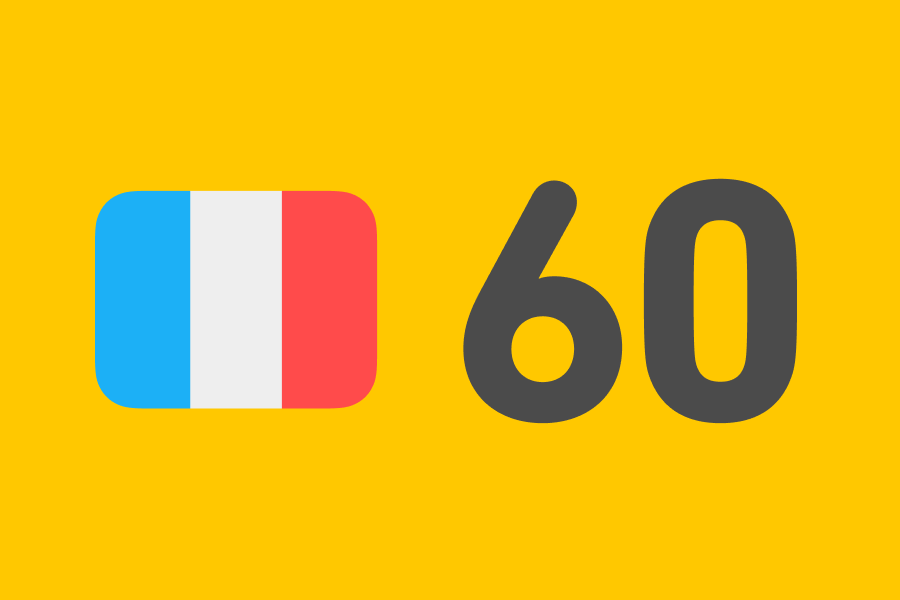
What you can do with a Duolingo Score of 60
What’s a Score of 60? Basically, your passport to real conversations.
Duolingo Blog
7 months ago
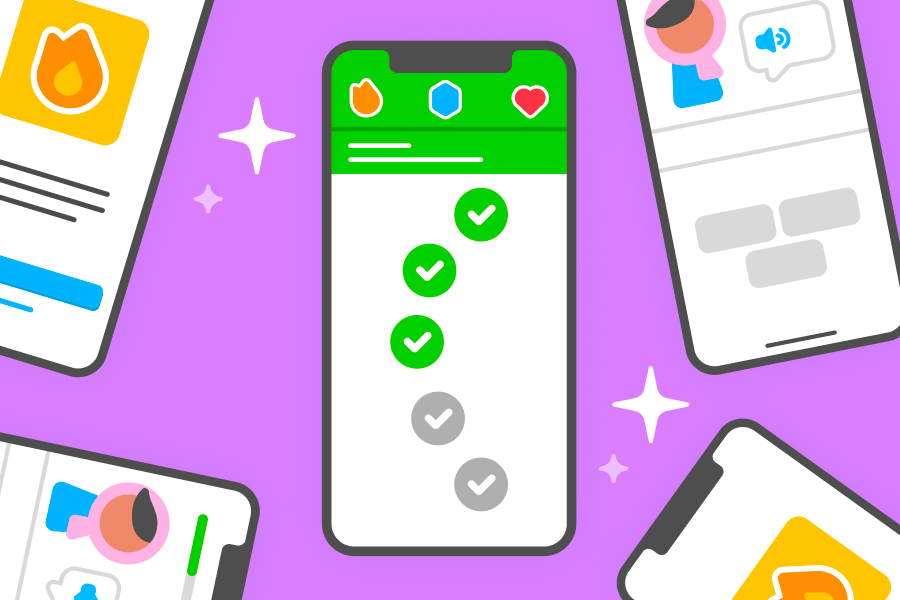
New mini-units make intermediate learning more engaging and effective
Bite-sized learning has never felt more satisfying!
Duolingo Blog
7 months ago
Dear Duolingo: Why do some languages have gender?
Why are nouns classified as “male” and “female” in some languages? Here’s the answer!
Duolingo Blog
7 months ago
All about English questions
Here’s a helpful guide to forming (almost) every English question.
Duolingo Blog
7 months ago
How to form yes or no questions in English
Do you know how to form yes/no questions in English? Either way, this post is for you!
Duolingo Blog
7 months ago
What are tag questions and how do you use them?
There’s a lot to know when it comes to English tag questions, *isn’t there?*
Duolingo Blog
7 months ago
What are the rules for “wh” questions in English?
Who, what, where, when, why—and *how* do you form “wh” questions in English?
Duolingo Blog
7 months ago
Checkmate your goals: How to become a chess grandmaster
Dreaming of grandmaster status? Here’s how to get there.
Duolingo Blog
7 months ago
7 languages you’ll hear where you least expect them
Learning a language can broaden your horizons—sometimes more than you realize!
Duolingo Blog
8 months ago
Practice any skill, any time in the Practice tab
Choose your own adventure as you learn!
Duolingo Blog
8 months ago
Dear Duolingo: Why are there so many German possessive pronouns?
German has many versions of “my,” “your,” “his,” etc. How do you know which to use?
Duolingo Blog
8 months ago
음악은 만국 공용어일까요?
음악은 여러분이 생각하는 것처럼 보편적 언어일까요?
Duolingo Blog
8 months ago
How to set up a chess board: a guide for beginners
All checkmates start the same way: with setting up your board.
Duolingo Blog
8 months ago
How French accent marks can help improve your pronunciation
They let you know how to pronounce the sound—and tell you a bit of the word’s history!
Duolingo Blog
8 months ago
6 Japanese words that don’t mean what you think they mean
You might already know these words… or do you?
Duolingo Blog
8 months ago
How Duolingo teaches speaking skills
Got something to say in your new language? Duolingo wants to help!
Duolingo Blog
8 months ago
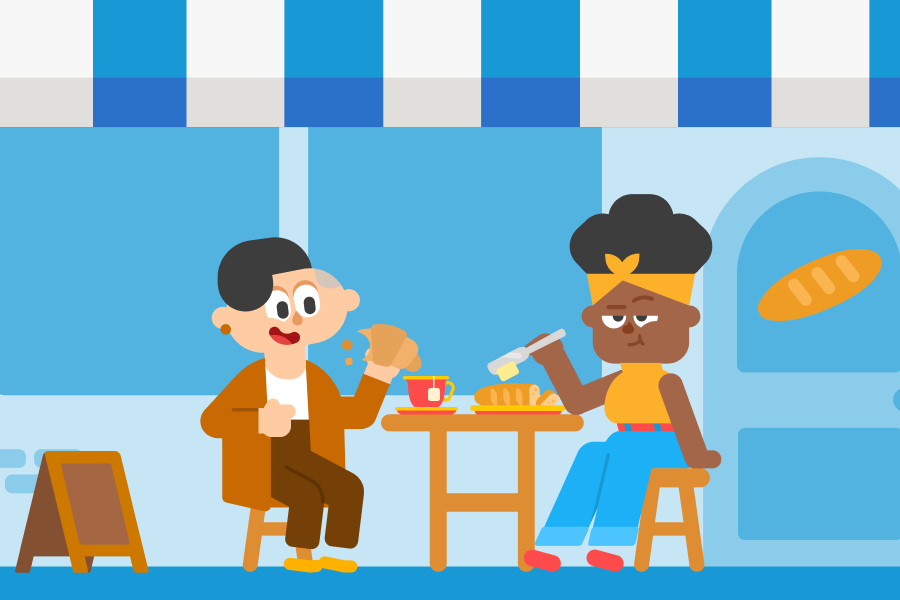
What I learned from using French for a week
See what happens when you spend a week eating, sleeping, and breathing French.
Duolingo Blog
8 months ago
Elevating craft: How we refreshed our core tabs
We recently refreshed our core tabs to be cleaner, clearer, and more cohesive!
Duolingo Blog
8 months ago
Dear Duolingo: Why is it so hard to explain the rules of your own language?
Knowing English isn’t the same as being able to teach it. Here’s why!
Duolingo Blog
8 months ago

The history of women in chess—from exclusion to Grandmasters
Discover the powerful women who’ve changed the game—on and off the chess board.
Duolingo Blog
8 months ago
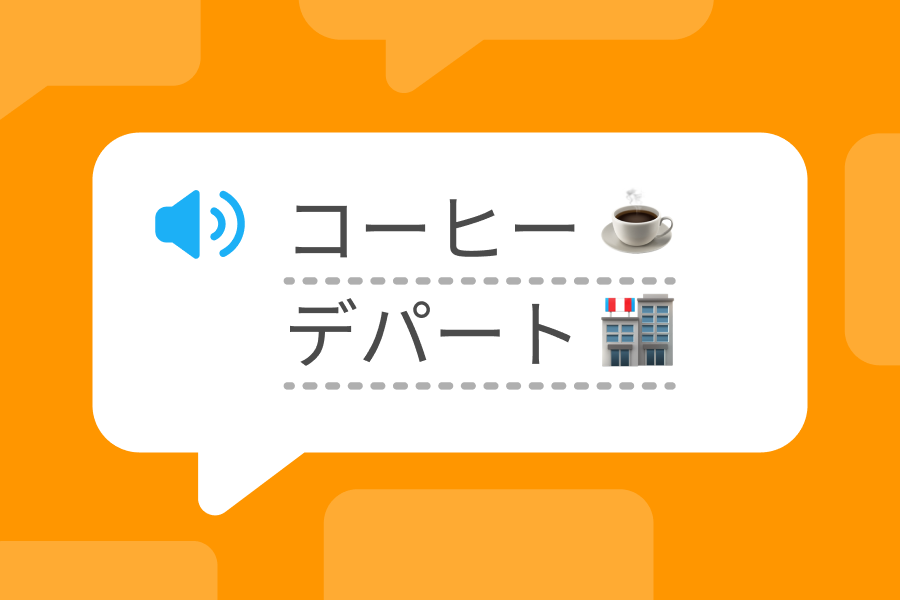
8 common Japanese loanwords and their history
Why does Japanese have so many loanwords from different languages?
Duolingo Blog
8 months ago
15 movies to watch if you’re learning English
Grow your English skills from the comfort of your couch.
Duolingo Blog
9 months ago
Dear Duolingo: How can I learn a language as a hearing aid user?
On or off the app, these tips will help you reach your language goals!
Duolingo Blog
9 months ago
Our new Video Call with Falstaff is here to help you speak with confidence
Speaking a new language is hard—but it doesn’t have to be!
Duolingo Blog
9 months ago
6 fatos memoráveis na história do xadrez
Xadrez é coisa séria… até alguém chegar com iogurte saborizado.
Duolingo Blog
9 months ago
Dear Duolingo: How do I support someone who’s learning a language?
Language learning is hard. Here’s how to support learners without adding pressure.
Duolingo Blog
9 months ago
Computers vs. humans: Who wins in chess?
From hidden humans to supercomputers, here’s how chess engines took over.
Duolingo Blog
7 months ago
Politicians and professors are learning languages—and here’s why
They came for the XP—and stayed for the connection, confidence, and fun.
Duolingo Blog
7 months ago
Research report: Video Call with Falstaff improves beginners’ conversation skills
New to speaking? Video Call with Falstaff helps beginners find their voice!
Duolingo Blog
7 months ago
How I spent my 2-month paid sabbatical
Inside Duolingo’s tech culture and 2-month paid sabbatical benefit.
Duolingo Blog
7 months ago
What you can do with a Duolingo Score of 60
What’s a Score of 60? Basically, your passport to real conversations.
Duolingo Blog
7 months ago
New mini-units make intermediate learning more engaging and effective
Bite-sized learning has never felt more satisfying!
Duolingo Blog
7 months ago
Dear Duolingo: Why do some languages have gender?
Why are nouns classified as “male” and “female” in some languages? Here’s the answer!
Duolingo Blog
7 months ago
All about English questions
Here’s a helpful guide to forming (almost) every English question.
Duolingo Blog
7 months ago
How to form yes or no questions in English
Do you know how to form yes/no questions in English? Either way, this post is for you!
Duolingo Blog
7 months ago
What are tag questions and how do you use them?
There’s a lot to know when it comes to English tag questions, *isn’t there?*
Duolingo Blog
7 months ago
What are the rules for “wh” questions in English?
Who, what, where, when, why—and *how* do you form “wh” questions in English?
Duolingo Blog
7 months ago
Checkmate your goals: How to become a chess grandmaster
Dreaming of grandmaster status? Here’s how to get there.
Duolingo Blog
7 months ago
7 languages you’ll hear where you least expect them
Learning a language can broaden your horizons—sometimes more than you realize!
Duolingo Blog
8 months ago
Practice any skill, any time in the Practice tab
Choose your own adventure as you learn!
Duolingo Blog
8 months ago
Dear Duolingo: Why are there so many German possessive pronouns?
German has many versions of “my,” “your,” “his,” etc. How do you know which to use?
Duolingo Blog
8 months ago
음악은 만국 공용어일까요?
음악은 여러분이 생각하는 것처럼 보편적 언어일까요?
Duolingo Blog
8 months ago
How to set up a chess board: a guide for beginners
All checkmates start the same way: with setting up your board.
Duolingo Blog
8 months ago
How French accent marks can help improve your pronunciation
They let you know how to pronounce the sound—and tell you a bit of the word’s history!
Duolingo Blog
8 months ago
6 Japanese words that don’t mean what you think they mean
You might already know these words… or do you?
Duolingo Blog
8 months ago
How Duolingo teaches speaking skills
Got something to say in your new language? Duolingo wants to help!
Duolingo Blog
8 months ago
What I learned from using French for a week
See what happens when you spend a week eating, sleeping, and breathing French.
Duolingo Blog
8 months ago
Elevating craft: How we refreshed our core tabs
We recently refreshed our core tabs to be cleaner, clearer, and more cohesive!
Duolingo Blog
8 months ago
Dear Duolingo: Why is it so hard to explain the rules of your own language?
Knowing English isn’t the same as being able to teach it. Here’s why!
Duolingo Blog
8 months ago
The history of women in chess—from exclusion to Grandmasters
Discover the powerful women who’ve changed the game—on and off the chess board.
Duolingo Blog
8 months ago
8 common Japanese loanwords and their history
Why does Japanese have so many loanwords from different languages?
Duolingo Blog
8 months ago
15 movies to watch if you’re learning English
Grow your English skills from the comfort of your couch.
Duolingo Blog
9 months ago
Dear Duolingo: How can I learn a language as a hearing aid user?
On or off the app, these tips will help you reach your language goals!
Duolingo Blog
9 months ago
Our new Video Call with Falstaff is here to help you speak with confidence
Speaking a new language is hard—but it doesn’t have to be!
Duolingo Blog
9 months ago
6 fatos memoráveis na história do xadrez
Xadrez é coisa séria… até alguém chegar com iogurte saborizado.
Duolingo Blog
9 months ago
Dear Duolingo: How do I support someone who’s learning a language?
Language learning is hard. Here’s how to support learners without adding pressure.
Duolingo Blog
9 months ago
Computers vs. humans: Who wins in chess?
From hidden humans to supercomputers, here’s how chess engines took over.
Duolingo Blog
7 months ago
Politicians and professors are learning languages—and here’s why
They came for the XP—and stayed for the connection, confidence, and fun.
Duolingo Blog
7 months ago
Research report: Video Call with Falstaff improves beginners’ conversation skills
New to speaking? Video Call with Falstaff helps beginners find their voice!
Duolingo Blog
7 months ago
How I spent my 2-month paid sabbatical
Inside Duolingo’s tech culture and 2-month paid sabbatical benefit.
Duolingo Blog
7 months ago
What you can do with a Duolingo Score of 60
What’s a Score of 60? Basically, your passport to real conversations.
Duolingo Blog
7 months ago
New mini-units make intermediate learning more engaging and effective
Bite-sized learning has never felt more satisfying!
Duolingo Blog
7 months ago
Dear Duolingo: Why do some languages have gender?
Why are nouns classified as “male” and “female” in some languages? Here’s the answer!
Duolingo Blog
7 months ago
All about English questions
Here’s a helpful guide to forming (almost) every English question.
Duolingo Blog
7 months ago
How to form yes or no questions in English
Do you know how to form yes/no questions in English? Either way, this post is for you!
Duolingo Blog
7 months ago
What are tag questions and how do you use them?
There’s a lot to know when it comes to English tag questions, *isn’t there?*
Duolingo Blog
7 months ago
What are the rules for “wh” questions in English?
Who, what, where, when, why—and *how* do you form “wh” questions in English?
Duolingo Blog
7 months ago
Checkmate your goals: How to become a chess grandmaster
Dreaming of grandmaster status? Here’s how to get there.
Duolingo Blog
7 months ago
7 languages you’ll hear where you least expect them
Learning a language can broaden your horizons—sometimes more than you realize!
Duolingo Blog
8 months ago
Practice any skill, any time in the Practice tab
Choose your own adventure as you learn!
Duolingo Blog
8 months ago
Dear Duolingo: Why are there so many German possessive pronouns?
German has many versions of “my,” “your,” “his,” etc. How do you know which to use?
Duolingo Blog
8 months ago
음악은 만국 공용어일까요?
음악은 여러분이 생각하는 것처럼 보편적 언어일까요?
Duolingo Blog
8 months ago
How to set up a chess board: a guide for beginners
All checkmates start the same way: with setting up your board.
Duolingo Blog
8 months ago
How French accent marks can help improve your pronunciation
They let you know how to pronounce the sound—and tell you a bit of the word’s history!
Duolingo Blog
8 months ago
6 Japanese words that don’t mean what you think they mean
You might already know these words… or do you?
Duolingo Blog
8 months ago
How Duolingo teaches speaking skills
Got something to say in your new language? Duolingo wants to help!
Duolingo Blog
8 months ago
What I learned from using French for a week
See what happens when you spend a week eating, sleeping, and breathing French.
Duolingo Blog
8 months ago
Elevating craft: How we refreshed our core tabs
We recently refreshed our core tabs to be cleaner, clearer, and more cohesive!
Duolingo Blog
8 months ago
Dear Duolingo: Why is it so hard to explain the rules of your own language?
Knowing English isn’t the same as being able to teach it. Here’s why!
Duolingo Blog
8 months ago
The history of women in chess—from exclusion to Grandmasters
Discover the powerful women who’ve changed the game—on and off the chess board.
Duolingo Blog
8 months ago
8 common Japanese loanwords and their history
Why does Japanese have so many loanwords from different languages?
Duolingo Blog
8 months ago
15 movies to watch if you’re learning English
Grow your English skills from the comfort of your couch.
Duolingo Blog
9 months ago
Dear Duolingo: How can I learn a language as a hearing aid user?
On or off the app, these tips will help you reach your language goals!
Duolingo Blog
9 months ago
Our new Video Call with Falstaff is here to help you speak with confidence
Speaking a new language is hard—but it doesn’t have to be!
Duolingo Blog
9 months ago
6 fatos memoráveis na história do xadrez
Xadrez é coisa séria… até alguém chegar com iogurte saborizado.
Duolingo Blog
9 months ago
Dear Duolingo: How do I support someone who’s learning a language?
Language learning is hard. Here’s how to support learners without adding pressure.
Duolingo Blog
9 months ago